What Is TB-500?
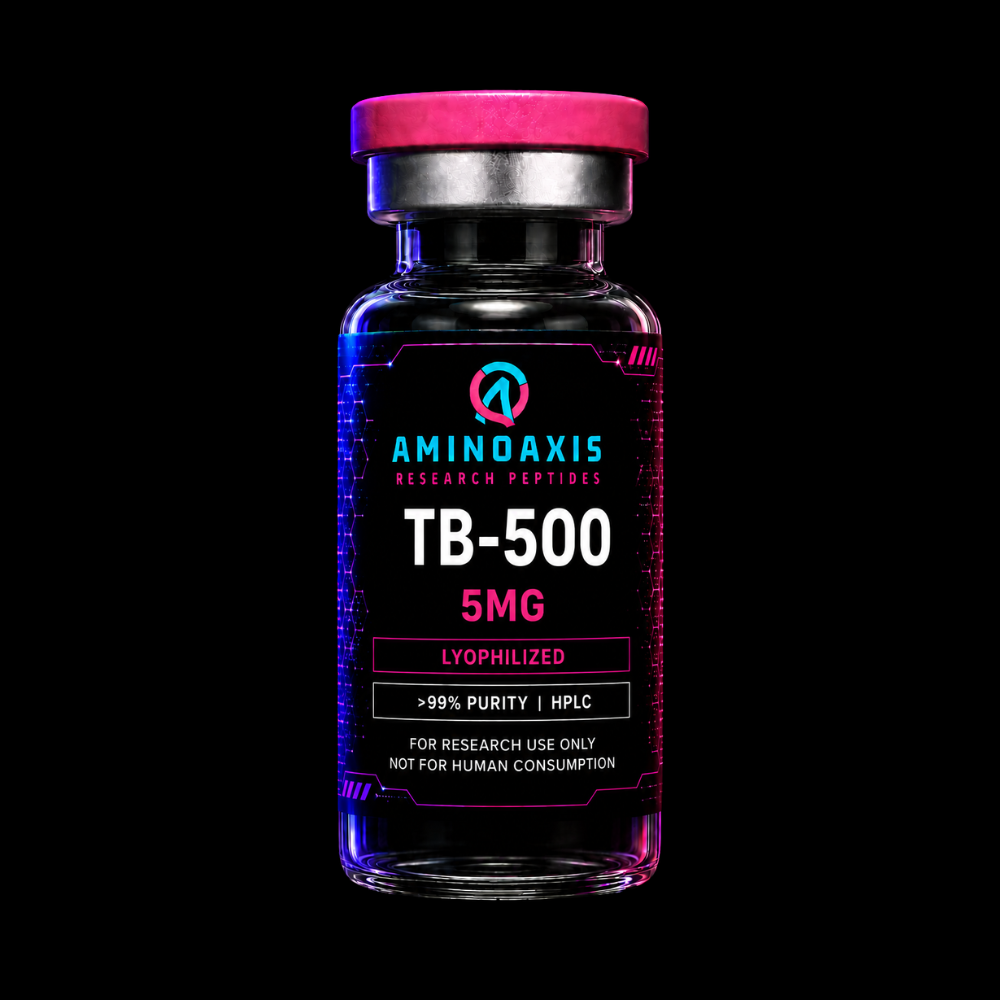
TB-500 is a synthetic peptide corresponding to the active region of Thymosin Beta-4 (Tβ4), a naturally occurring 43-amino-acid protein found in virtually all human and animal cells. Thymosin Beta-4 is one of the most abundant intracellular peptides, with concentrations particularly high in platelets, wound fluid, and developing tissues.
TB-500 specifically replicates the actin-binding domain of Thymosin Beta-4 — the region identified as responsible for many of the protein's biological activities in research models. This makes TB-500 a research tool for investigating Thymosin Beta-4 biology without working with the full-length protein.
Actin Biology: The Core Mechanism
The foundational mechanism of Thymosin Beta-4 — and by extension TB-500 — is its interaction with the actin cytoskeleton. Actin is a structural protein fundamental to cell shape, movement, and division.
Thymosin Beta-4 binds to G-actin (monomeric actin) and sequesters it, regulating the balance between monomeric and filamentous actin in cells. This regulation of actin polymerization has downstream effects on:
- Cell migration — cells need to reorganize their actin cytoskeleton to move, and Tβ4 facilitates this process
- Cell differentiation — actin dynamics influence how progenitor cells develop into specialized cell types
- Cell survival — research has demonstrated anti-apoptotic effects linked to actin regulation
Tissue Repair Research
The most extensively studied application of Thymosin Beta-4 in preclinical research is tissue repair:
- Dermal wound models — published studies in rodent models have examined full-thickness wound closure rates and histological outcomes
- Corneal injury models — research in corneal epithelial injury models has been published, leading to early-stage clinical investigation
- Musculoskeletal models — studies in muscle laceration and contusion models have been conducted
Cardiac Research
One of the more notable areas of Thymosin Beta-4 research involves cardiac models:
- Post-ischemic models — published research in mouse models of cardiac ischemia has examined the compound's effects on cardiomyocyte survival and functional recovery
- Epicardial progenitor activation — research has demonstrated that Tβ4 can activate epicardium-derived progenitor cells, which are of interest in cardiac regeneration research
This cardiac research generated significant scientific interest and contributed to early-stage clinical investigation by RegeneRx Biopharmaceuticals.
Clinical Development
Unlike many research peptides, Thymosin Beta-4 has undergone some early-stage clinical investigation:
- RegeneRx Biopharmaceuticals conducted Phase I and Phase II clinical trials investigating Tβ4 formulations
- RGN-259 (ophthalmic) — a topical Tβ4 formulation studied in clinical trials for dry eye and neurotrophic keratopathy
- RGN-137 (dermal) — a topical formulation studied in wound healing contexts
These clinical programs provide a level of human safety and pharmacology data that most research peptides lack, though the clinical development has not yet resulted in regulatory approval.
TB-500 vs. Full-Length Thymosin Beta-4
An important distinction for researchers: TB-500 is a fragment of Thymosin Beta-4, not the full protein. While TB-500 contains the actin-binding domain considered central to biological activity, the full 43-amino-acid Thymosin Beta-4 may have additional functions mediated by other regions of the molecule. Published research should be evaluated with this distinction in mind — studies conducted with full-length Tβ4 may not be directly applicable to the TB-500 fragment.
Handling
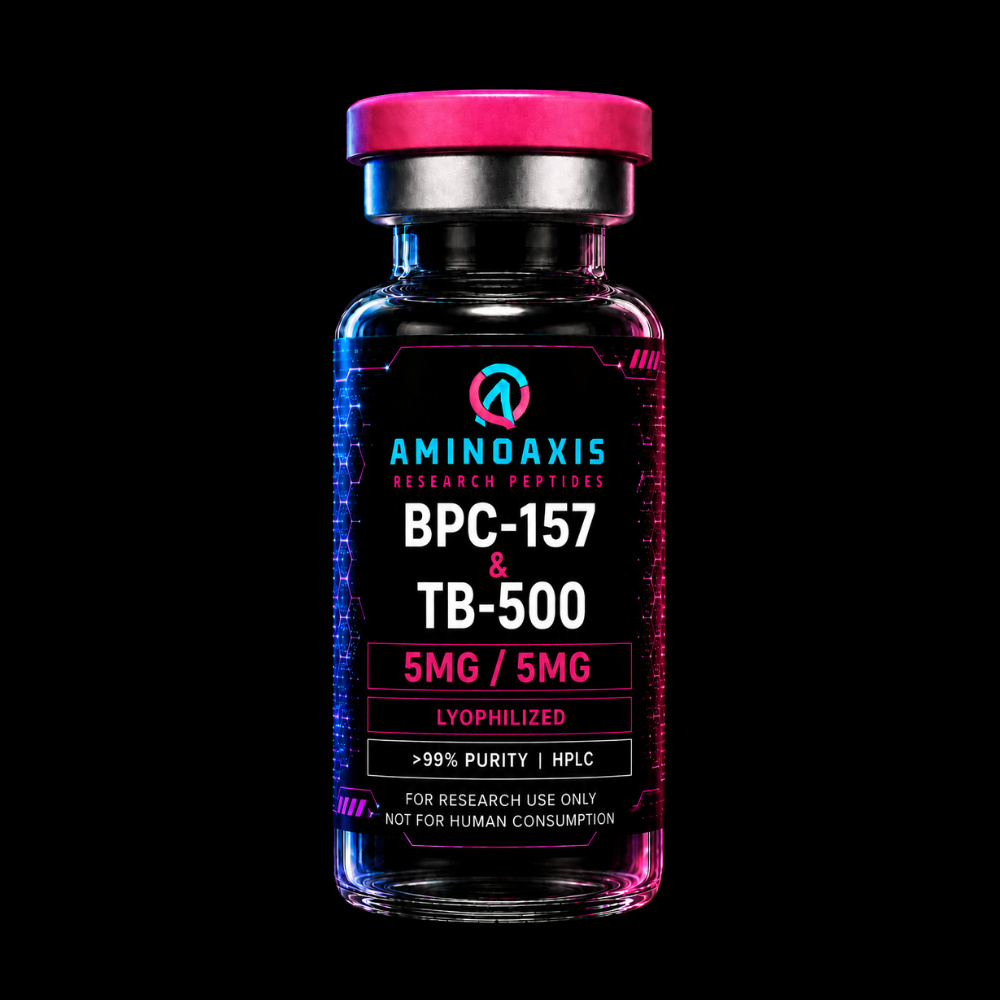
TB-500 is supplied as a lyophilized powder requiring reconstitution with bacteriostatic water. The same reconstitution and storage principles that apply to other research peptides apply here — see our reconstitution guide and storage guide for detailed instructions.