Two Forms, Two Storage Requirements
Peptides exist in two forms with very different stability characteristics, and understanding this distinction is fundamental to proper storage:
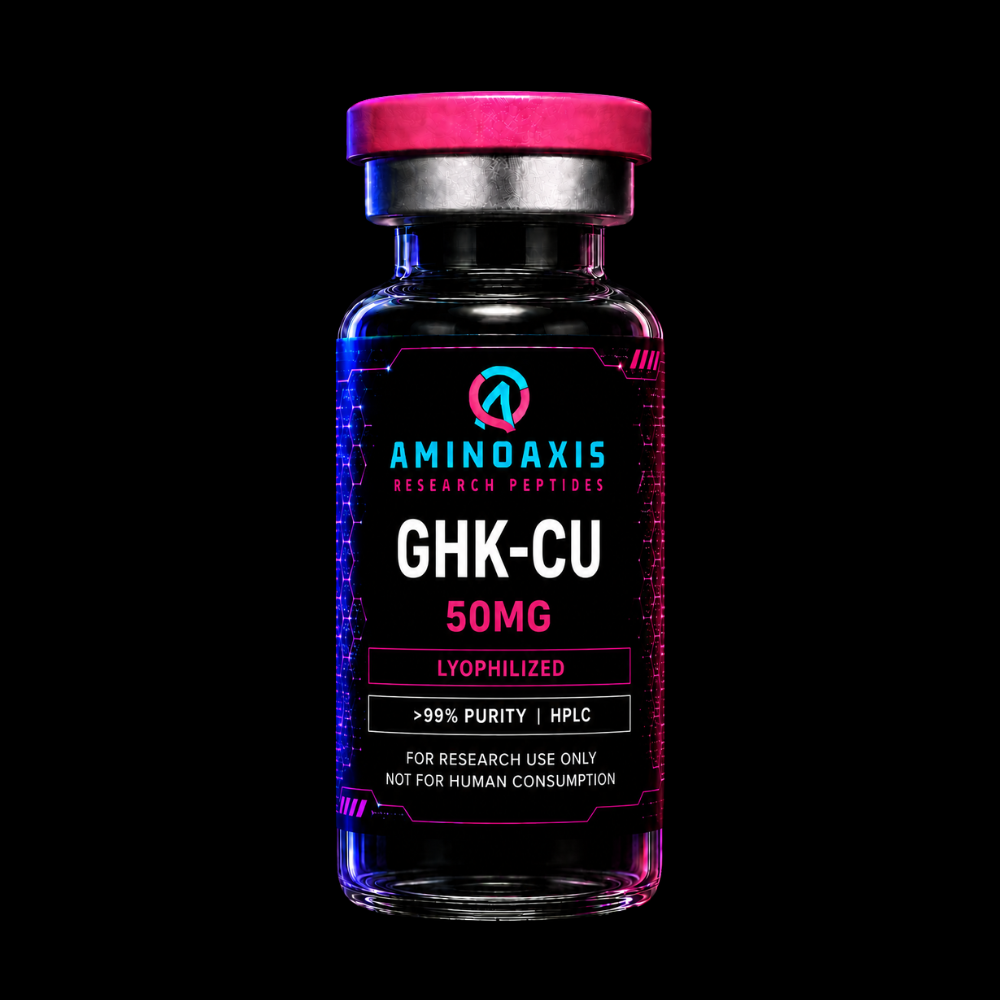
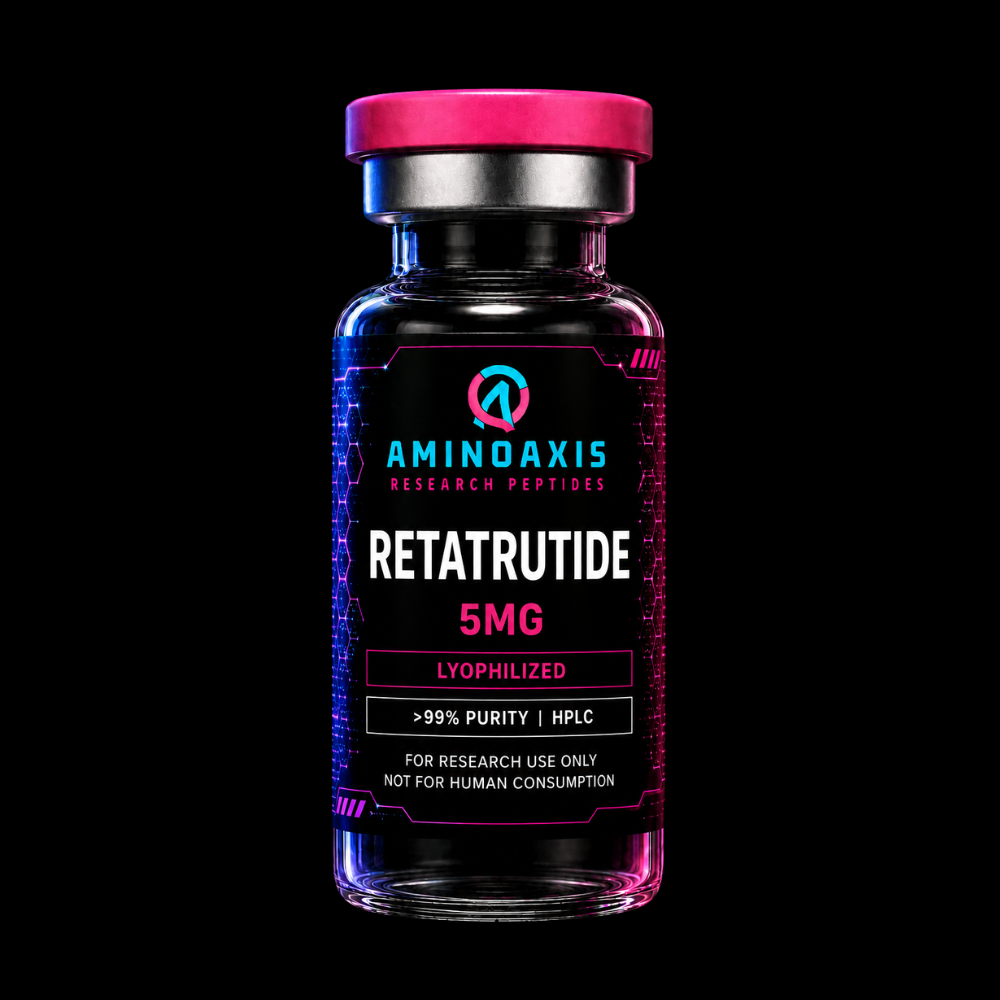
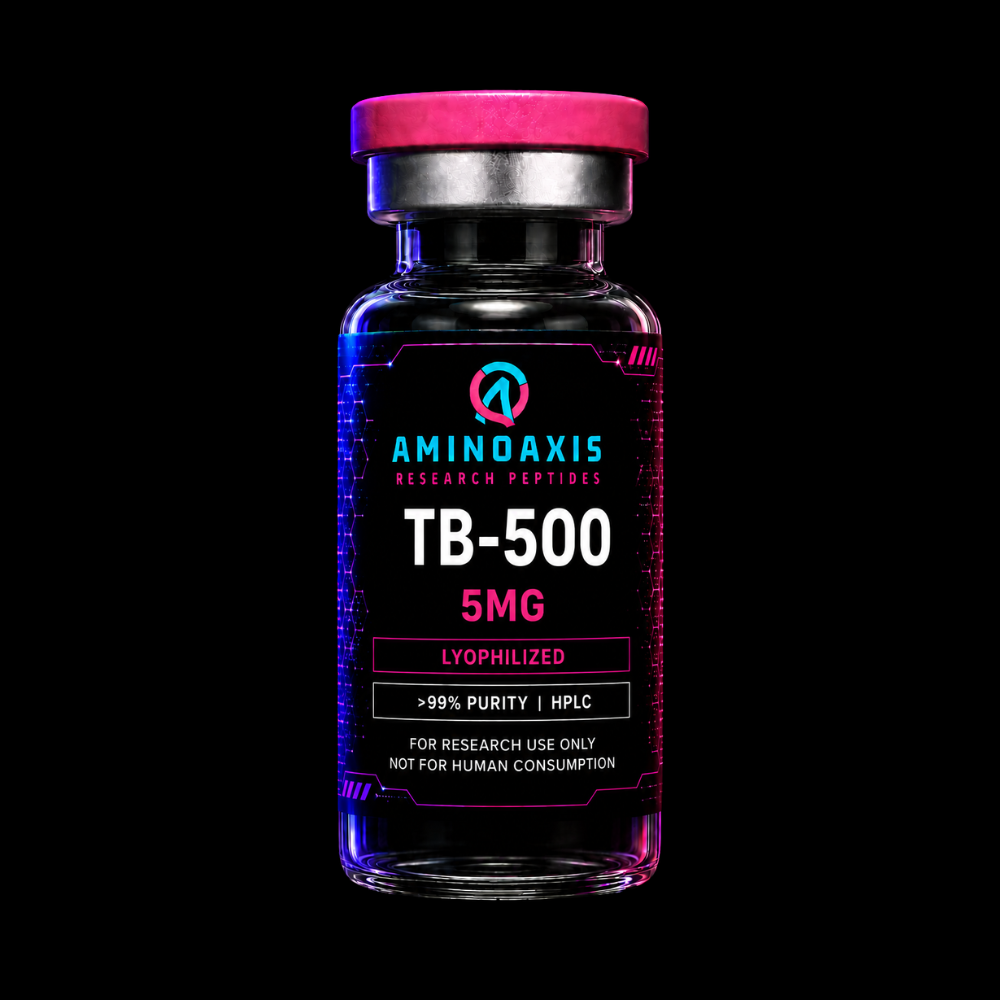
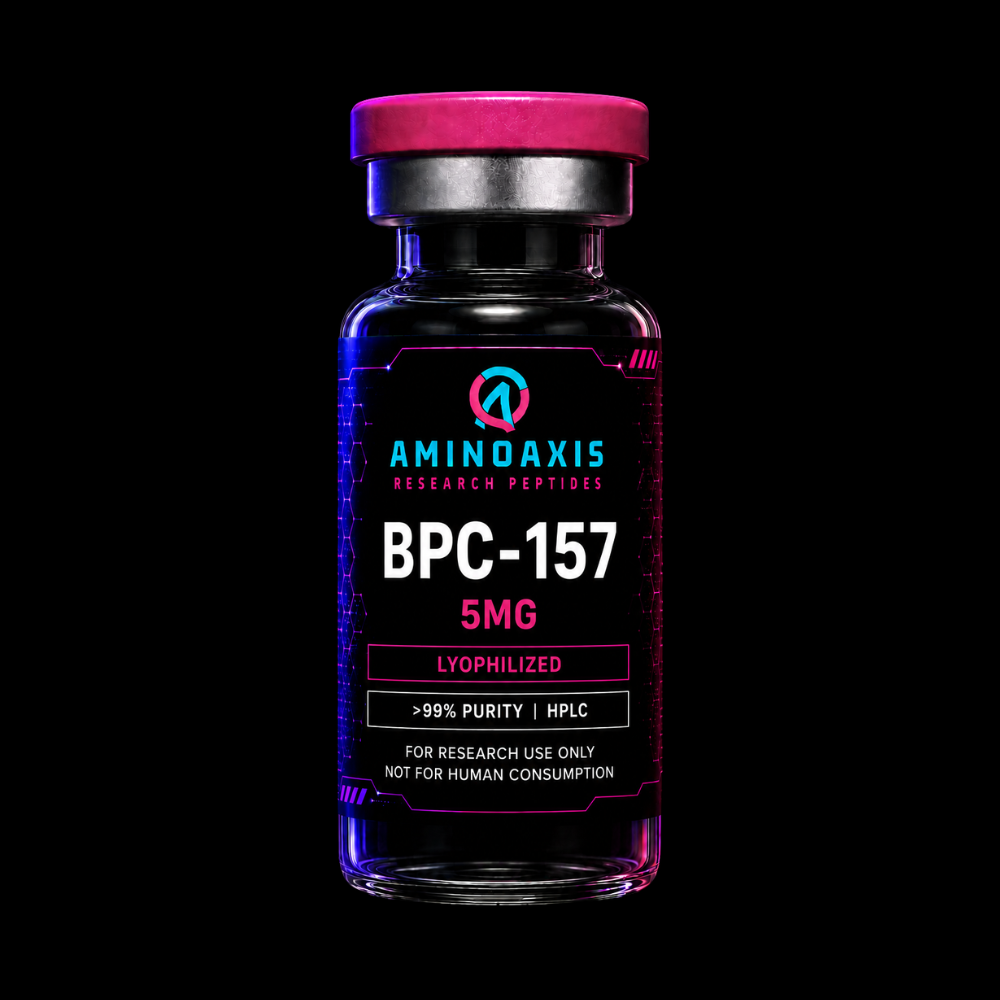
Lyophilized (freeze-dried) powder — the form peptides are sold in. This is highly stable because the water has been removed, dramatically slowing degradation reactions.
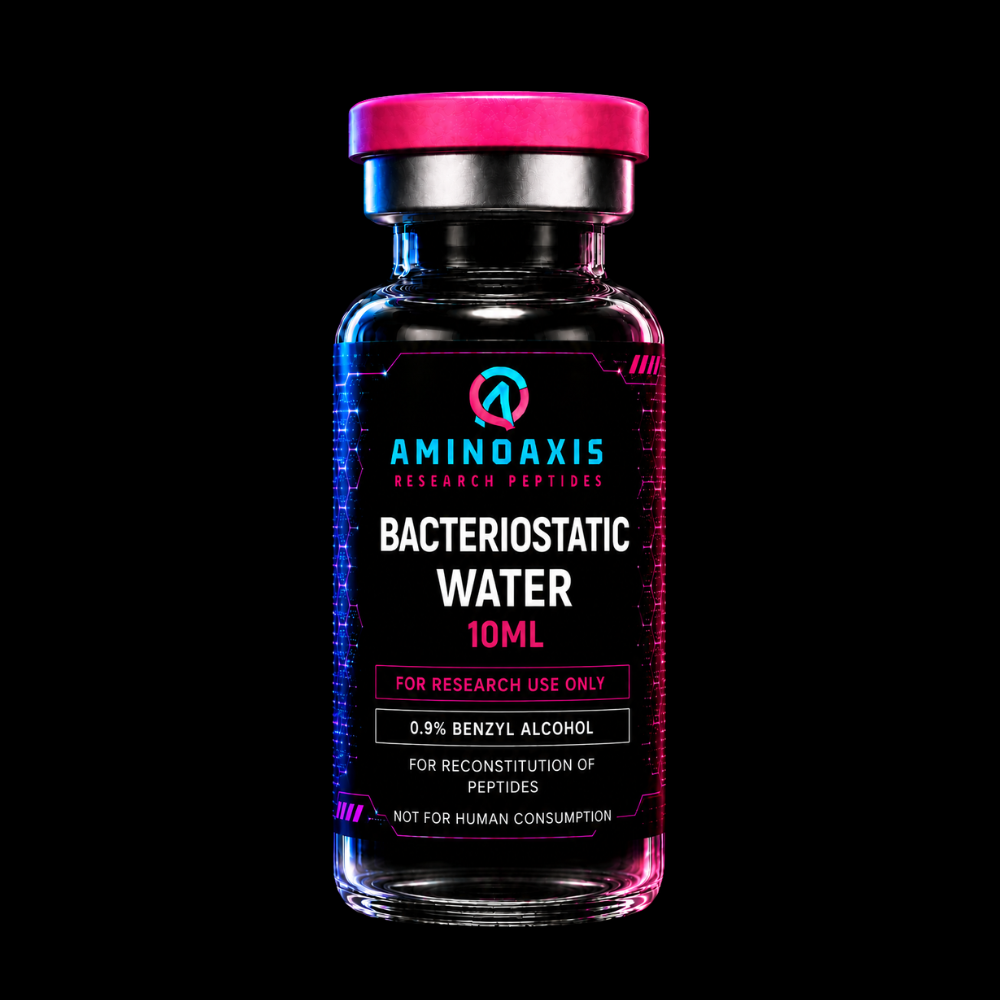
Reconstituted (dissolved in solution) — after you add bacteriostatic water. This form is far less stable because the peptide is now in solution, where it is susceptible to hydrolysis, oxidation, and bacterial contamination.
Storing Lyophilized Peptides
Lyophilized peptides are remarkably stable when stored correctly:
- Short-term (weeks to months): Refrigerate at 2–8°C (36–46°F). A standard household or laboratory refrigerator is fine.
- Long-term (months to years): Store at -20°C in a freezer. At this temperature, most peptides remain stable for years.
- Keep away from light: UV radiation can degrade peptides. Store in the original vial (typically amber or opaque) or wrap in foil.
- Keep dry: Moisture is the enemy of lyophilized powder. Do not open the vial until you are ready to reconstitute, and avoid storing in humid environments.
- Minimize freeze-thaw cycles: If storing frozen, avoid repeatedly warming and refreezing. Each cycle introduces moisture through condensation.
Storing Reconstituted Peptides
Once reconstituted with bacteriostatic water, the stability window shrinks significantly:
- Refrigerate immediately at 2–8°C after reconstitution
- Use within approximately 28 days — this is the commonly cited stability window for most peptides reconstituted in bacteriostatic water. Some peptides may be stable for longer; others for shorter periods.
- Do not freeze reconstituted peptide — freezing a solution causes ice crystals that can physically damage peptide molecules through mechanical stress
- Swab the stopper before every use — each time you pierce the stopper, you risk introducing contaminants. An alcohol swab takes two seconds and prevents bacterial contamination.
- Store upright — minimizes contact between the solution and the rubber stopper, reducing the risk of leachables.
How Temperature Affects Stability
Temperature is the single most important factor in peptide stability. As a general rule, every 10°C increase in temperature roughly doubles the rate of degradation. This means:
- A peptide stable for 2 years at -20°C might last months at 4°C
- A reconstituted peptide stable for 28 days at 4°C might degrade in days at room temperature
- A few hours at room temperature during shipping or handling is generally fine — but prolonged exposure matters
Shipping Considerations
Lyophilized peptides can be shipped at ambient temperature without concern — the dry powder is stable enough to handle several days in transit without degradation. This is why most vendors ship without cold packs for lyophilized products.
Reconstituted peptides should ideally not be shipped at all. If transport is necessary, use cold packs and insulated packaging, and keep transit time as short as possible.
Signs of Degradation
If you observe any of the following, the peptide may have degraded and should not be used:
- Discoloration — the solution should be clear and colorless. Yellow, brown, or cloudy solutions indicate degradation or contamination.
- Particles or precipitate — floating material or sediment at the bottom of the vial suggests the peptide has come out of solution or been contaminated.
- Unusual odor — reconstituted peptides should be essentially odorless. A noticeable smell may indicate bacterial growth.
- Changed consistency — the solution should have the same viscosity as water. Any thickening or gel-like consistency is abnormal.
Summary
Proper storage is straightforward once you understand the basics: keep lyophilized peptides cold and dry, reconstituted peptides refrigerated and used within their stability window, and always use sterile technique when accessing vials. These simple practices protect your investment and ensure reliable results.