What You Need
Before you begin, gather the following materials for your laboratory preparation:
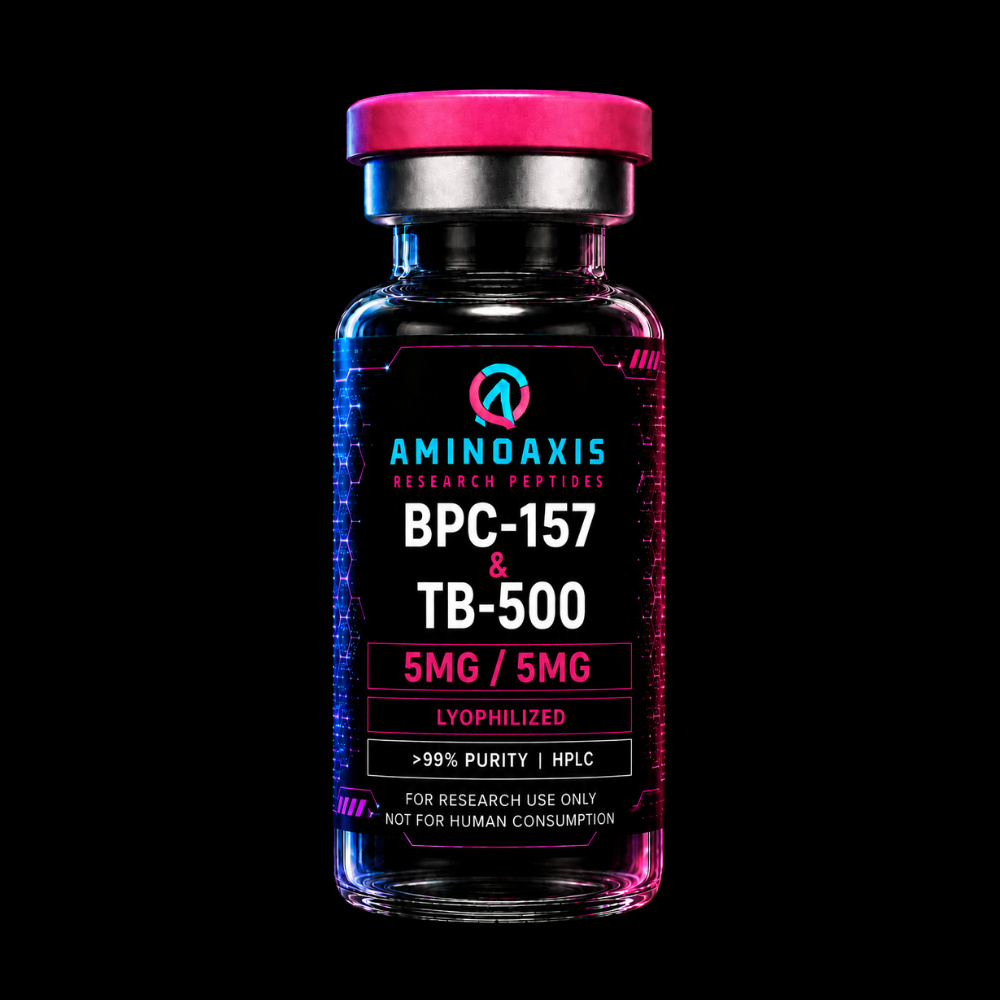
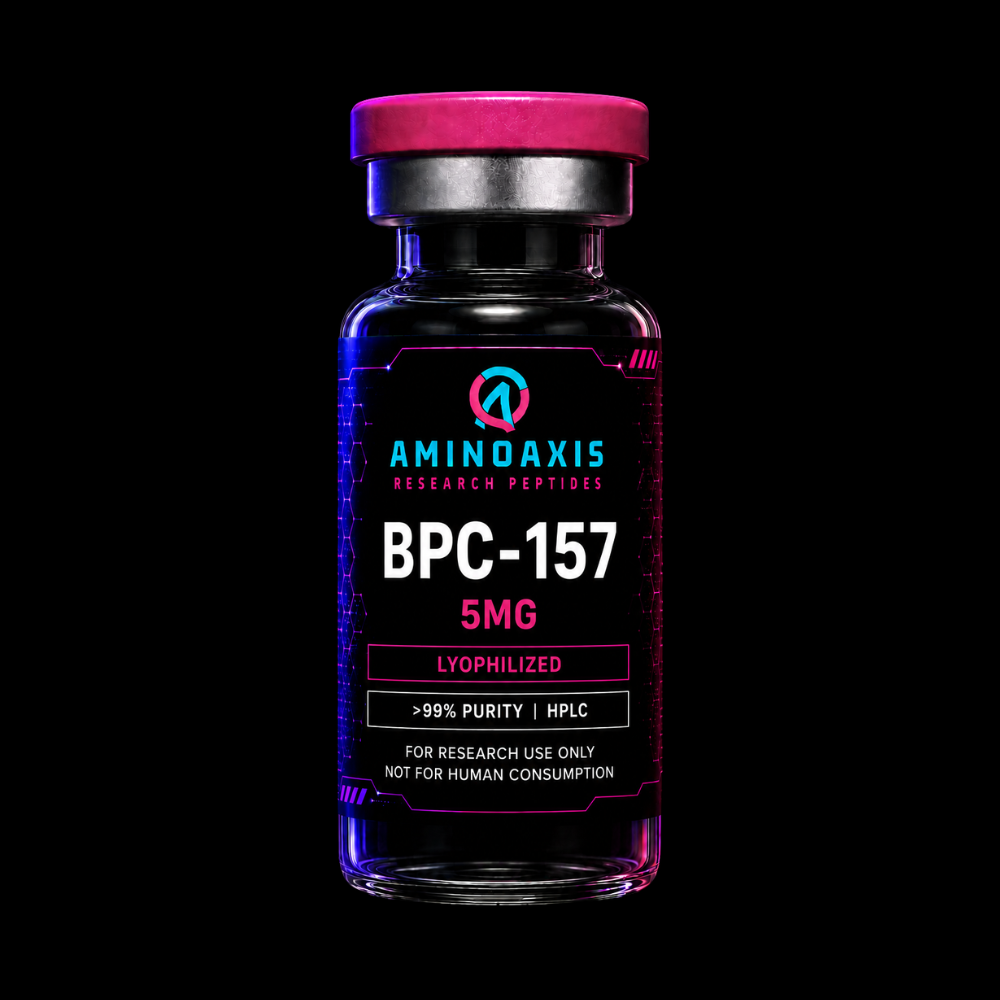
- BPC-157 lyophilized powder — available in 5mg and 10mg vials
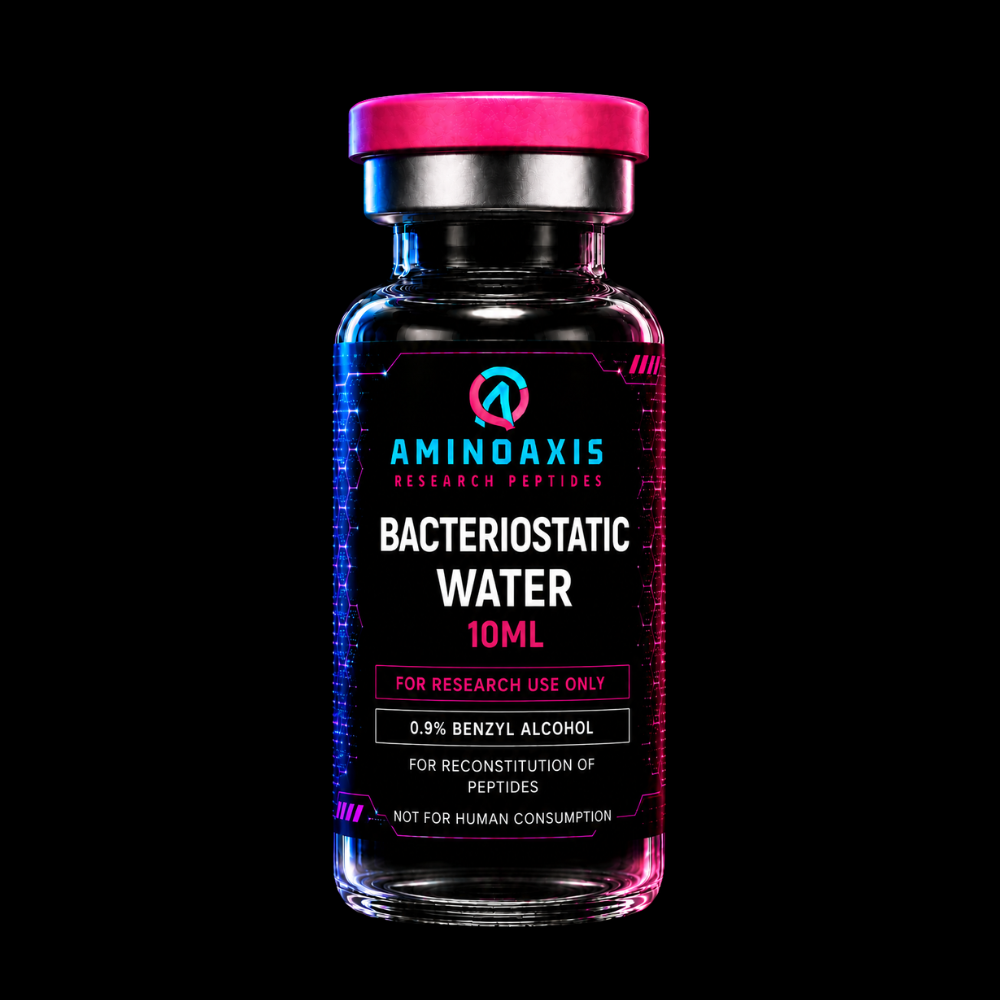
- Bacteriostatic water (BAC water) — sterile water containing 0.9% benzyl alcohol, which acts as a preservative and extends the stability window of the reconstituted solution
- Alcohol swabs — for sterilizing vial stoppers before piercing
- Syringes — one for adding water, one for drawing measured amounts
Step 1: Determine Your Concentration
The concentration of your reconstituted solution depends on how much bacteriostatic water you add to the peptide powder. This is the single most important calculation in the entire process.
The formula is straightforward:
Concentration (mcg/ml) = Peptide amount (mcg) ÷ Water added (ml)
For example, with a 5mg (5,000 mcg) vial of BPC-157:
- Add 1ml of BAC water → 5,000 mcg/ml concentration
- Add 2ml of BAC water → 2,500 mcg/ml concentration
- Add 2.5ml of BAC water → 2,000 mcg/ml concentration
A practical tip: adding more water gives you a lower concentration, which means a larger volume per measured amount — and larger volumes are easier to measure precisely with a standard syringe. For most laboratory applications, 2ml of BAC water in a 5mg vial (2,500 mcg/ml) is a good balance between concentration and measurability.
Rather than doing this math by hand every time, you can use our free reconstitution calculator — enter your vial size and water volume, and it shows the exact concentration with a visual syringe diagram.
Step 2: Prepare Your Workspace
Reconstitution should be done in a clean environment to minimize contamination risk. While a laminar flow hood is ideal, a clean countertop wiped down with isopropyl alcohol is sufficient for most research purposes.
- Wash your hands thoroughly or wear nitrile gloves
- Lay out all materials on a clean surface
- Have your alcohol swabs ready
- Let the peptide vial come to room temperature if it has been refrigerated — cold vials can cause condensation inside when opened
Step 3: Add Bacteriostatic Water
This is the critical step. The goal is to dissolve the lyophilized powder completely without damaging the peptide.
- Swab both vial stoppers — wipe the rubber stopper of both the BPC-157 vial and the BAC water vial with an alcohol swab. Let them air-dry for a few seconds.
- Draw the BAC water — using a clean syringe, draw the amount of bacteriostatic water you decided on in Step 1 (e.g., 2ml).
- Add water slowly along the side of the vial — insert the needle through the BPC-157 vial's stopper and gently release the water down the inside wall of the vial. Do not squirt it directly onto the powder. The goal is to let the water flow down the glass and dissolve the peptide gradually.
- Do not shake — peptides are fragile molecules. Vigorous shaking can damage them through mechanical stress. Instead, gently swirl the vial or simply let it sit for a few minutes. BPC-157 dissolves readily in water; most of the powder will dissolve on contact.
- Wait until fully dissolved — the solution should be clear and colorless with no visible particles. If small particles remain after a few minutes, gently roll the vial between your palms. Never shake aggressively.
Step 4: Verify and Store
Once dissolved, your reconstituted BPC-157 should be:
- Clear and colorless — any cloudiness, discoloration, or floating particles indicates a problem. Do not use a solution that appears contaminated.
- Free of particles — hold the vial up to a light source and look for any undissolved material.
Storage after reconstitution:
- Store in the refrigerator at 2–8°C (36–46°F)
- Do not freeze reconstituted peptide — freezing and thawing damages the molecular structure
- Keep the vial upright to minimize contact between the solution and the rubber stopper
- Reconstituted BPC-157 in bacteriostatic water is generally considered stable for approximately 28 days when refrigerated properly
- Always swab the stopper with alcohol before each subsequent use
Calculating Your Draw Volume
Once reconstituted, you need to know how much solution to draw for a given amount of peptide. The formula is:
Volume to draw (ml) = Desired amount (mcg) ÷ Concentration (mcg/ml)
If you reconstituted a 5mg vial with 2ml of BAC water (concentration = 2,500 mcg/ml) and want 250 mcg:
250 ÷ 2,500 = 0.1ml = 10 units on a U-100 insulin syringe
On a U-100 insulin syringe, 1ml = 100 units. So the unit markings are your measurement guide:
- 0.1ml = 10 units
- 0.2ml = 20 units
- 0.5ml = 50 units
Our reconstitution calculator does this math automatically and shows you exactly where to draw on a visual syringe — no manual calculation needed.
Common Mistakes to Avoid
- Squirting water directly onto the powder — always add water down the side of the vial to avoid damaging the peptide
- Shaking the vial — gentle swirling only; mechanical stress degrades peptides
- Using non-bacteriostatic water — sterile water without a preservative allows bacterial growth, dramatically shortening the usable life of the solution
- Storing at room temperature — reconstituted peptides degrade rapidly outside refrigeration
- Reusing syringes — always use a fresh, sterile syringe for each use to prevent contamination
- Forgetting to swab the stopper — the rubber stopper is the primary contamination entry point
Why Bacteriostatic Water Matters
Bacteriostatic water contains 0.9% benzyl alcohol, which inhibits bacterial growth. This is what allows your reconstituted peptide to remain stable for weeks rather than hours. Regular sterile water lacks this preservative — reconstituted peptides in plain sterile water should ideally be used within 24 hours and are far more susceptible to contamination.
For this reason, bacteriostatic water is strongly recommended for any peptide reconstitution where the vial will be accessed multiple times over days or weeks.
Verifying Your Peptide Quality
Before reconstituting any peptide, it is good practice to verify its identity and purity through the Certificate of Analysis (COA) provided by the supplier. A legitimate COA should include HPLC purity data, molecular weight confirmation via mass spectrometry, and a batch number matching the one on your vial.
If you are unfamiliar with how to interpret these documents, our guide on how to read a Certificate of Analysis walks through each section in plain language.