Overview
BPC-157 and TB-500 are among the most frequently discussed peptides in the research community, and they are often studied in related contexts. While both have been investigated in tissue repair models, they are fundamentally different compounds with distinct origins, mechanisms, and research profiles.
Origins
| Property | BPC-157 | TB-500 |
|---|---|---|
| Full name | Body Protection Compound-157 | Thymosin Beta-4 fragment |
| Source | Derived from human gastric juice protein | Synthetic fragment of a naturally occurring intracellular protein |
| Amino acids | 15 | 43 (full Tβ4) / fragment varies |
| Molecular weight | ~1,419.53 g/mol | ~4,963 g/mol (full Tβ4) |
Research Focus Areas
BPC-157 research is concentrated in gastrointestinal models, with significant additional work in musculoskeletal, neurological, and vascular models. Its connection to gastric juice gives it a distinct profile in digestive system research.
TB-500 research centers on actin biology and cell migration, with major published work in cardiac, dermal, and corneal models. The cardiac research and early clinical development by RegeneRx distinguish TB-500's research profile from BPC-157's.
Mechanisms
BPC-157 research has proposed mechanisms involving the nitric oxide system, growth factor modulation (EGF, VEGF), and the FAK-paxillin signaling pathway. The exact molecular target remains an active area of investigation.
TB-500 has a well-characterized primary mechanism — G-actin sequestration — which regulates actin polymerization and downstream effects on cell migration, differentiation, and survival. This is better defined than BPC-157's mechanism.
Research Maturity
BPC-157 has a large body of preclinical literature but no completed clinical trials. Most published work comes from a relatively concentrated group of researchers.
TB-500 / Thymosin Beta-4 has both preclinical and early clinical data (Phase I/II trials conducted by RegeneRx), a broader base of independent research groups, and a better-characterized molecular mechanism. This gives TB-500 a somewhat more mature research profile.
Studied Together
Some researchers have investigated BPC-157 and TB-500 in the same experimental context, given their overlapping presence in tissue repair research. The compounds have different mechanisms and different primary research contexts, which has led to interest in studying their combined effects in preclinical models.
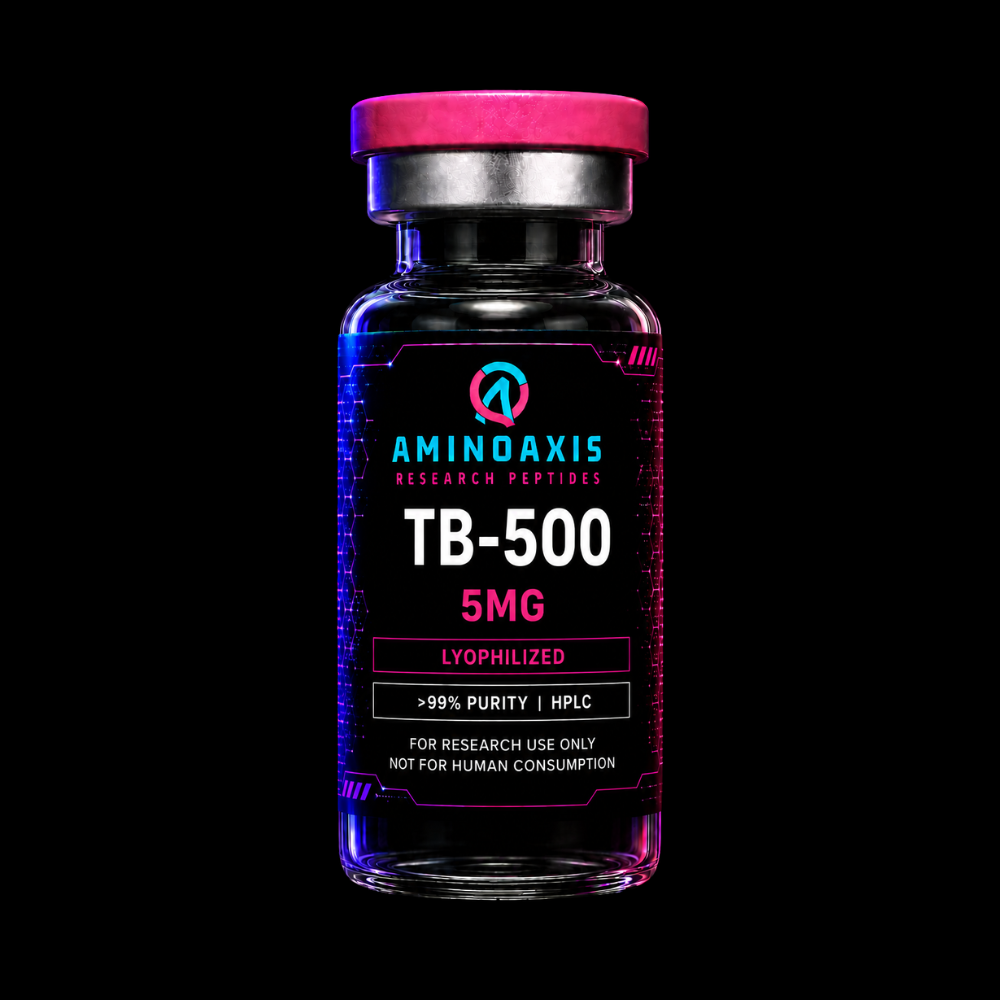
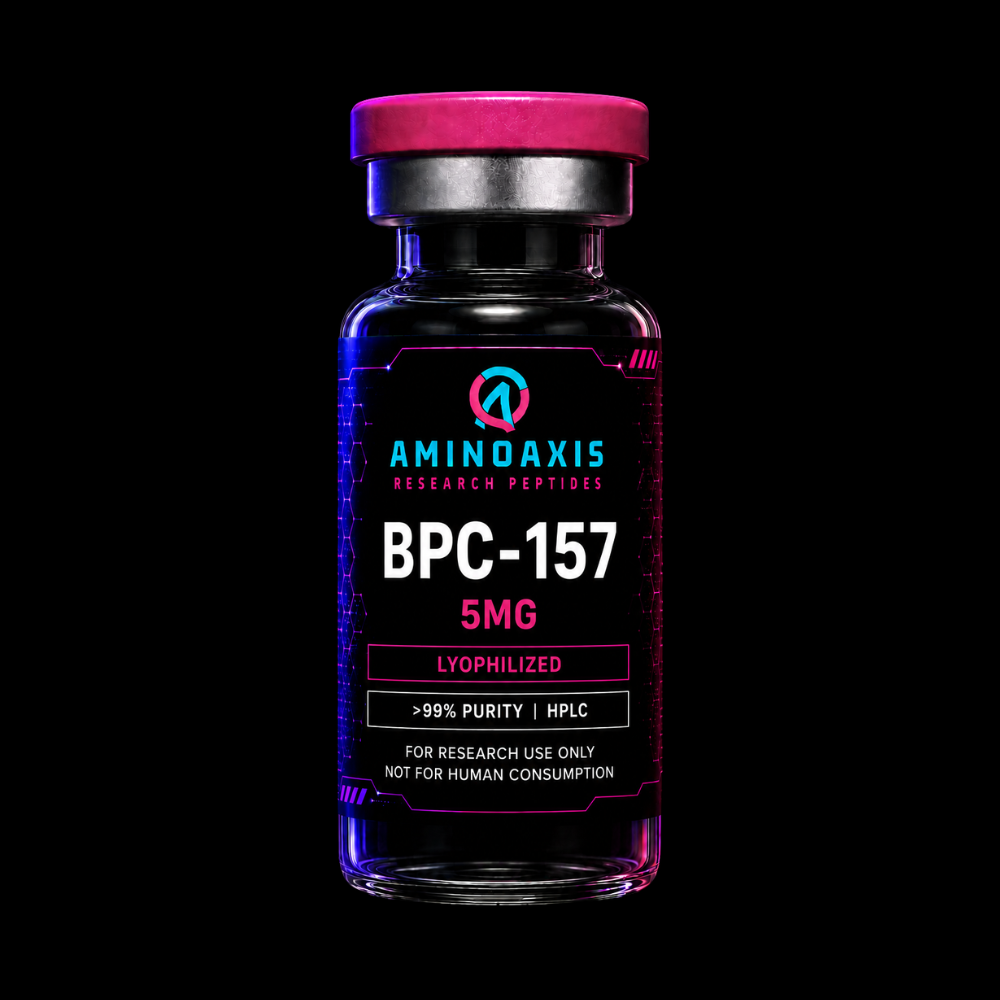
AminoAxis offers both compounds individually as well as in a combination format (the Wolverine Stack) for researchers interested in studying both compounds.
Practical Considerations
Both peptides are supplied as lyophilized powder requiring reconstitution with bacteriostatic water. The reconstitution process is identical — see our reconstitution guide for step-by-step instructions. Both should be stored refrigerated after reconstitution and used within the standard ~28-day stability window — see our storage guide for details.