What Is BPC-157?
BPC-157 (Body Protection Compound-157) is a synthetic pentadecapeptide — a chain of 15 amino acids — derived from a protective protein found in human gastric juice. Its amino acid sequence is GEPPPGKPADDAGLV, with a molecular weight of approximately 1,419.53 g/mol.
What makes BPC-157 notable in the research literature is the breadth of systems it has been studied in. Unlike many peptides that are investigated for a single mechanism, BPC-157 appears across published studies involving the gastrointestinal tract, musculoskeletal system, vascular system, and central nervous system — a range that has generated significant research interest.
Gastrointestinal Research
BPC-157 was originally identified from gastric juice, and the gastrointestinal tract is where the deepest body of research exists. Published preclinical studies have examined BPC-157 in models involving:
- Gastric lesion models — multiple studies in rodent models have investigated BPC-157 in the context of experimentally induced gastric lesions, including those caused by ethanol, NSAIDs, and stress
- Intestinal anastomosis models — research has examined the compound in surgical models involving intestinal reconnection
- Inflammatory bowel models — studies have looked at BPC-157 in experimentally induced colitis in rodents
- Esophageal models — research in models of esophageal damage has been published
The gastrointestinal research is the most mature area, with studies spanning more than two decades of publication.
Musculoskeletal Research
A substantial body of preclinical research has examined BPC-157 in musculoskeletal contexts:
- Tendon models — studies in rat models of Achilles tendon transection have been published, examining histological and biomechanical outcomes
- Muscle injury models — research in models of crush injury and denervation-induced atrophy has been conducted
- Bone fracture models — preclinical studies have investigated the compound in segmental bone defect models
- Ligament models — research examining medial collateral ligament injury models has been published
Neurological Research
More recent research has extended into neurological models:
- Dopaminergic system — studies have examined interactions with dopamine-related pathways in rodent models
- Serotonergic system — research in models involving serotonin system perturbation has been published
- Peripheral nerve models — studies in sciatic nerve crush and transection models exist in the literature
Proposed Mechanisms
The mechanisms underlying BPC-157's effects in preclinical models are an active area of investigation. Published research has proposed several pathways of interest:
- Nitric oxide (NO) system interaction — multiple studies have demonstrated involvement of the NO system, with effects modulated by NO-related agents
- Angiogenesis — research suggests involvement in blood vessel formation in several tissue models
- Growth factor modulation — studies have reported effects on EGF, VEGF, and related growth factor expression
- FAK-paxillin pathway — research has implicated this cell signaling pathway in tendon and wound models
Current Research Limitations
It is important to note several limitations of the existing BPC-157 research:
- The vast majority of published studies are preclinical (animal models), primarily in rodents
- Most published work originates from a relatively small number of research groups
- No completed, published Phase III human clinical trials exist as of the time of writing
- The breadth of reported effects across multiple organ systems, while intriguing, also warrants caution — extraordinary breadth of activity in preclinical models does not always translate to clinical relevance
Researchers interested in BPC-157 should evaluate the primary literature directly and consider these limitations when interpreting published findings.
Handling and Preparation
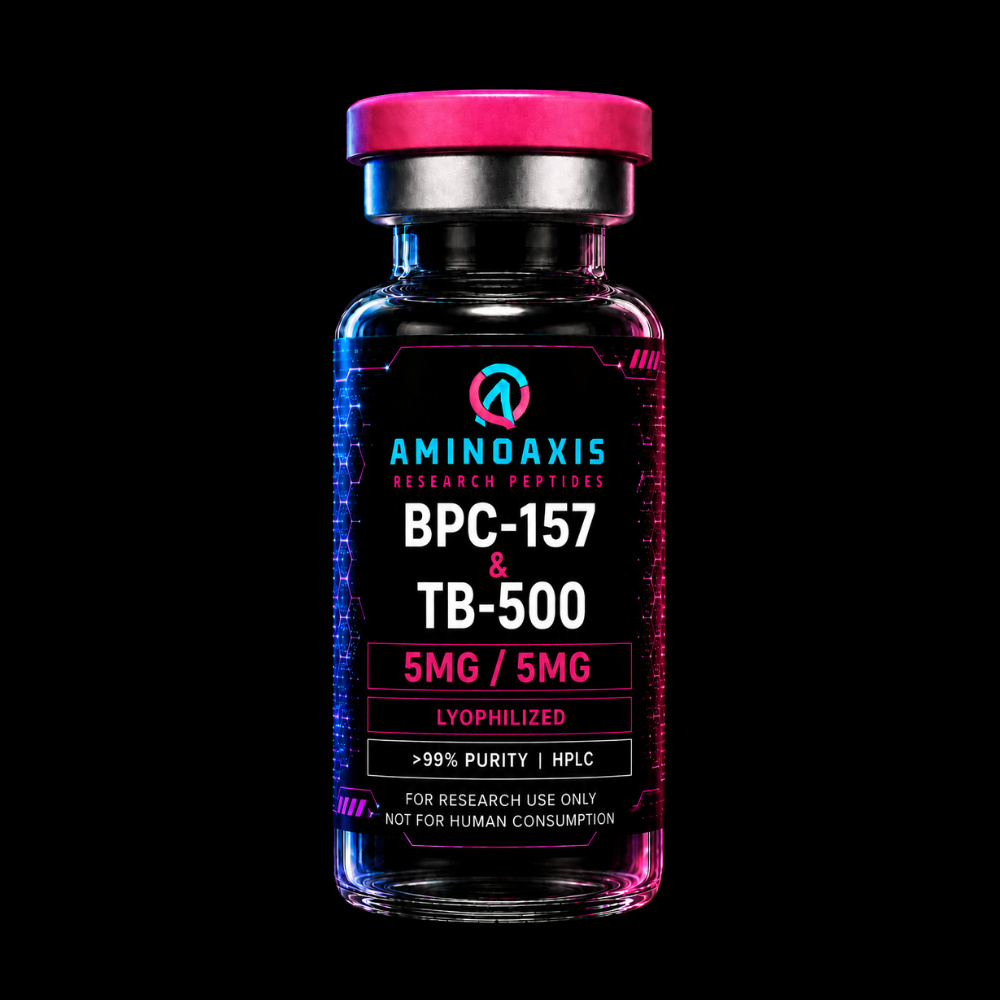
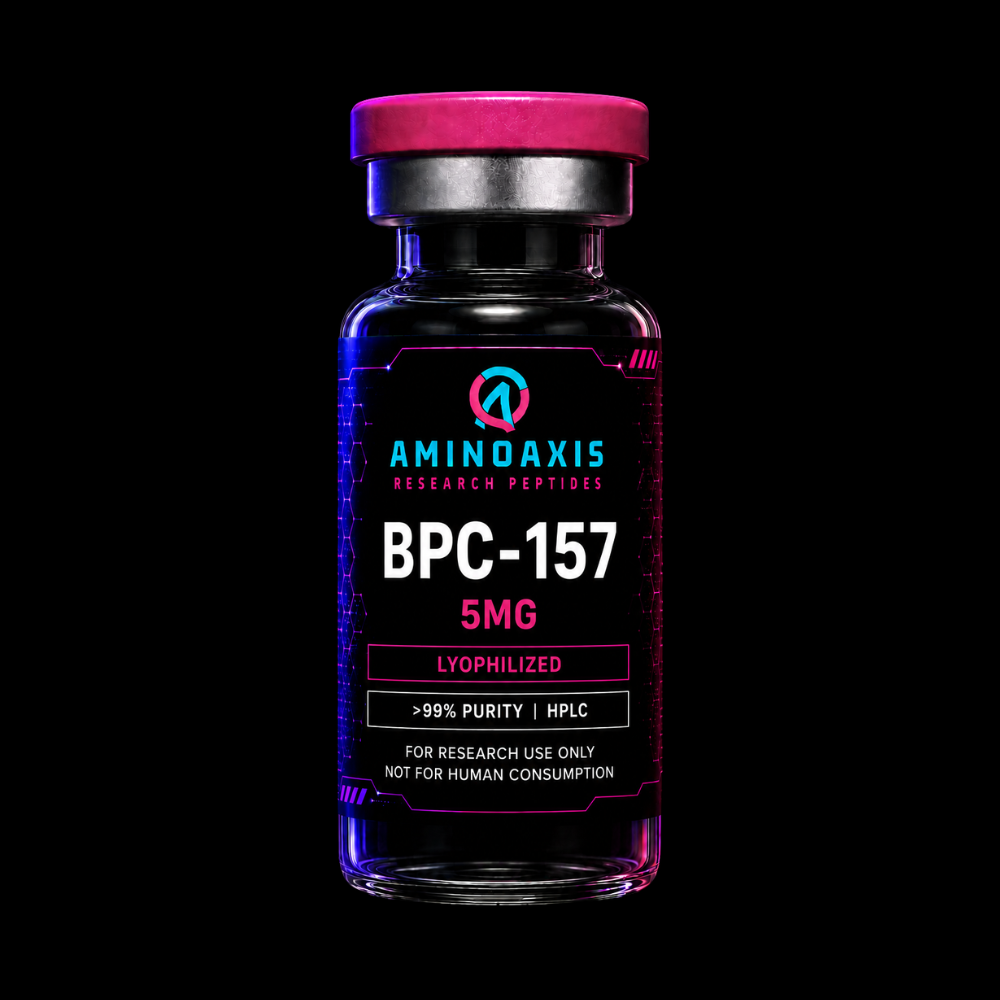
BPC-157 is typically supplied as a lyophilized (freeze-dried) powder that requires reconstitution with bacteriostatic water before use in research. For detailed preparation instructions, see our guide on how to reconstitute BPC-157. For storage guidance, see our peptide storage guide.
Quality verification through third-party testing is essential. Our guide to reading a COA explains what to look for in a Certificate of Analysis.