What Is a Peptide?
A peptide is a short chain of amino acids linked by peptide bonds. While proteins can contain hundreds or thousands of amino acids, peptides are generally defined as chains of 2 to 50 amino acids. This smaller size gives peptides distinct properties — they fold differently than proteins, interact with cellular receptors in unique ways, and can be synthesized with high purity in laboratory settings.
The human body produces thousands of peptides naturally. Hormones like insulin, growth factors, neurotransmitters, and antimicrobial compounds are all peptides. Research peptides are synthetic versions of these naturally occurring compounds, produced to exact specifications for laboratory investigation.
How Research Peptides Are Made
Most research peptides are produced using solid-phase peptide synthesis (SPPS), a method developed by Robert Bruce Merrifield in the 1960s that earned him the Nobel Prize in Chemistry. The process builds peptides one amino acid at a time on a solid resin support, allowing precise control over the sequence.
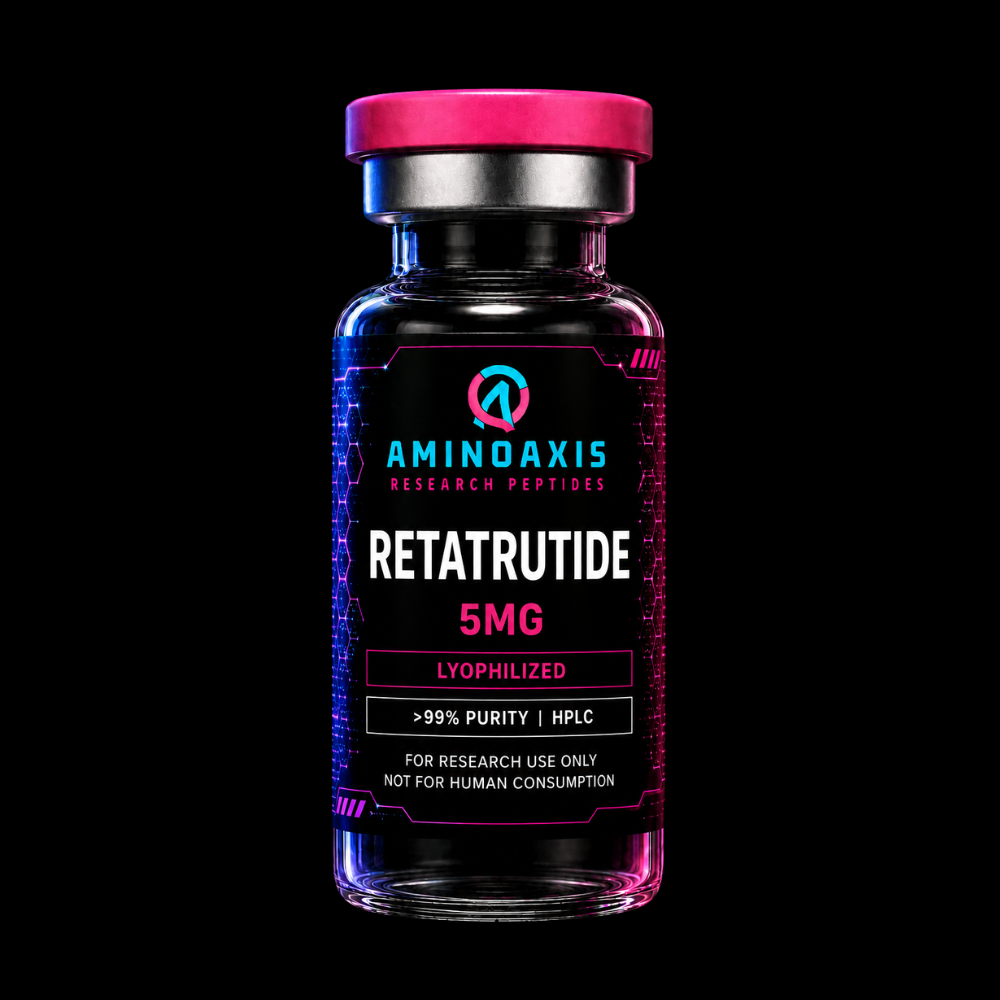
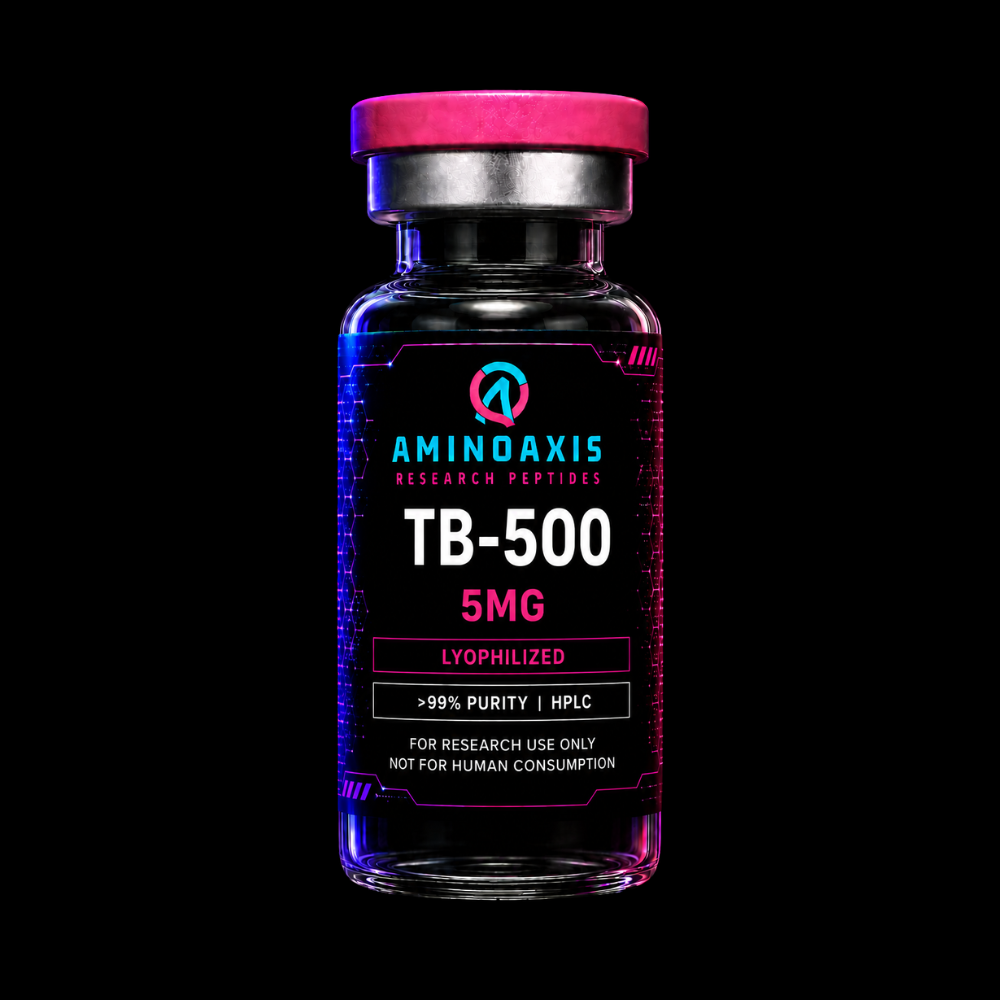
After synthesis, peptides undergo purification — typically by HPLC (High-Performance Liquid Chromatography) — to remove incomplete sequences and byproducts. The purified peptide is then lyophilized (freeze-dried) into a stable powder form for storage and shipping.
Peptides vs. Proteins
The distinction between peptides and proteins is primarily one of size. Peptides contain fewer than 50 amino acids; proteins contain more. This size difference matters because proteins fold into complex three-dimensional structures that determine their function, while most peptides are small enough to adopt simpler conformations.
From a research perspective, peptides are easier to synthesize, modify, and characterize than full proteins. A peptide can be produced synthetically with defined purity in days; producing a functional protein often requires biological expression systems and takes weeks.
Why Peptides Matter for Research
Peptides interact with biological systems at the molecular level — binding to receptors, modulating enzyme activity, and influencing cellular signaling pathways. Their small size allows them to be studied with precise analytical techniques like mass spectrometry and HPLC, making them ideal tools for investigating biological mechanisms.
Research peptides have contributed to advances in understanding wound healing, metabolic regulation, neuroprotection, antimicrobial defense, and tissue remodeling, among many other areas.
Research Use Only
Research peptides are manufactured and sold exclusively for in vitro and laboratory research. They are not evaluated by the FDA for therapeutic use and are not intended for human or veterinary administration. Researchers are responsible for compliance with all applicable regulations governing the purchase and use of research compounds.