Two Approaches to Incretin Research
Semaglutide and GLP-2 (TR) represent two generations of incretin-based research compounds. Semaglutide activates a single receptor — GLP-1. GLP-2 (TR) activates two receptors — both GLP-1 and GIP. This fundamental difference in receptor pharmacology produces distinct metabolic profiles that have been the subject of extensive published research.
Semaglutide: Single GLP-1 Agonism
Semaglutide is a GLP-1 receptor agonist with modifications that extend its half-life to approximately one week. It was the first long-acting GLP-1 agonist to demonstrate significant effects on both glycemic control and body weight in large clinical trials. Its mechanism relies entirely on GLP-1 receptor activation — primarily in pancreatic beta cells, the GI tract, and hypothalamic appetite centers.
GLP-2 (TR): Dual GIP/GLP-1 Agonism
GLP-2 (TR) adds GIP receptor agonism to GLP-1 activity. Published clinical data has shown that this dual mechanism produces metabolic effects that exceed those of GLP-1 single agonists in head-to-head comparisons. The GIP receptor activation provides additional signaling through adipose tissue and pancreatic beta cells via distinct intracellular pathways.
Published Head-to-Head Data
Direct comparison trials have been published in major medical journals. The data showed that the dual agonist produced greater improvements in glycemic endpoints and larger reductions in body weight compared to the single agonist at comparable dose levels. These differences were statistically significant and clinically meaningful.
Mechanistic Implications
The superior efficacy of dual agonism suggests that GIP and GLP-1 receptor signaling interact synergistically rather than simply additively. Published mechanistic studies indicate that GIP receptor activation enhances beta cell sensitivity to GLP-1, while GLP-1 receptor activation may modulate GIP-mediated effects in adipose tissue.
Research Context
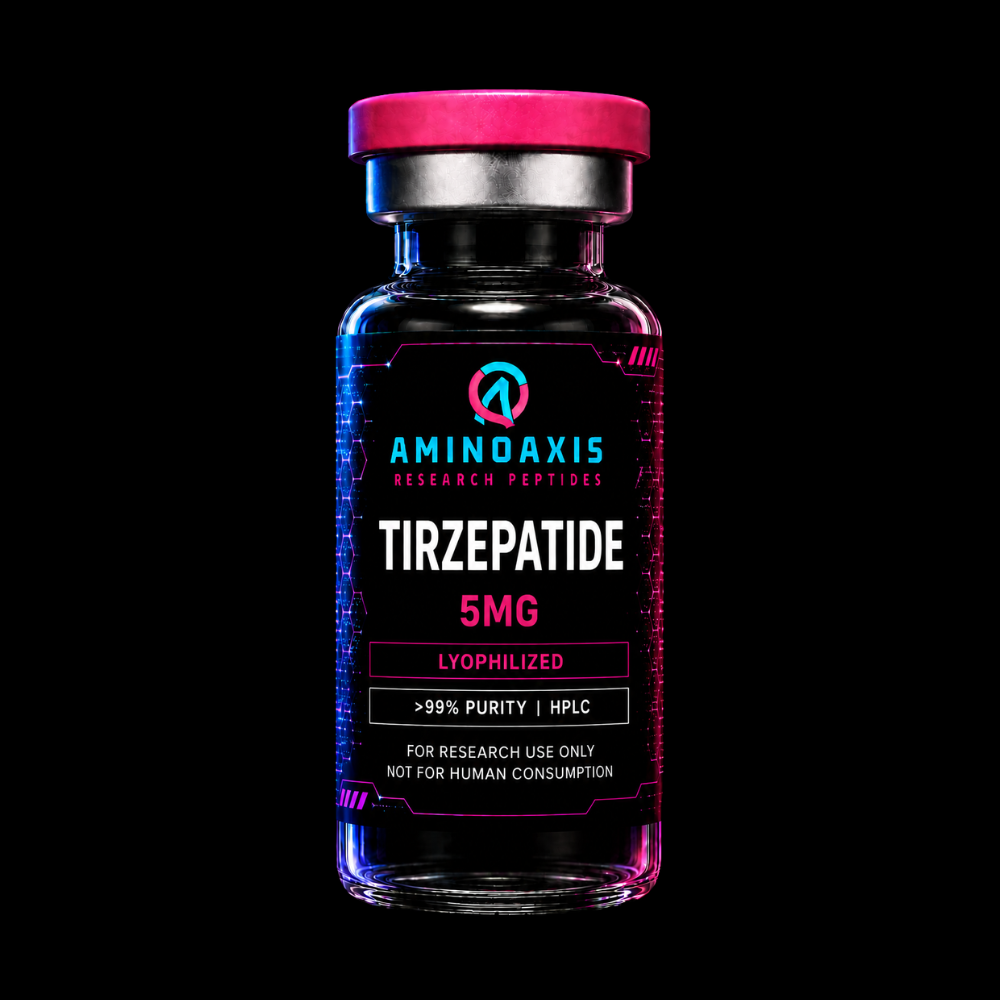
Both compounds are available in research-grade lyophilized form for laboratory investigation. Comparing single vs dual agonist activity in controlled experimental systems allows researchers to dissect the individual and combined contributions of each receptor pathway.