Discovery and Background
Thymosin Beta-4 (TB4) is a 43-amino acid peptide originally isolated from calf thymus tissue in the 1960s as part of research on thymic hormones. It was initially studied for potential immune-modulatory properties, but subsequent research revealed its primary biological role: regulation of actin polymerization in virtually all nucleated cells.
TB4 is one of the most abundant intracellular peptides in mammalian cells, present at concentrations of 0.1-0.5 mM in most cell types. Its ubiquitous expression across tissues reflects its fundamental role in cytoskeletal dynamics.
Actin Binding and Cell Motility
The primary biochemical function of TB4 is sequestering monomeric actin (G-actin), preventing its polymerization into filamentous actin (F-actin). By maintaining a pool of available G-actin, TB4 enables cells to rapidly reorganize their cytoskeleton in response to signals — a process essential for cell migration, division, and shape changes.
This actin-regulating function connects directly to wound healing: migrating cells at wound edges must continuously remodel their cytoskeleton to move into the wound space. TB4's role in facilitating this migration has been a major focus of published research.
Wound Healing Research
Published studies in animal models have demonstrated that TB4 promotes wound healing through multiple mechanisms. It accelerates dermal wound closure, promotes angiogenesis (new blood vessel formation), reduces inflammation at wound sites, and stimulates hair follicle stem cell migration. These effects have been documented in rodent models of cutaneous wounds, corneal injuries, and cardiac tissue damage.
Cardiac Research
A significant body of published research has investigated TB4 in cardiac tissue repair. Studies in mouse models of myocardial infarction showed that TB4 treatment was associated with reduced scar size, improved cardiac function, and activation of cardiac progenitor cells. The peptide appears to promote survival of cardiomyocytes under ischemic conditions.
TB-500: The Active Fragment
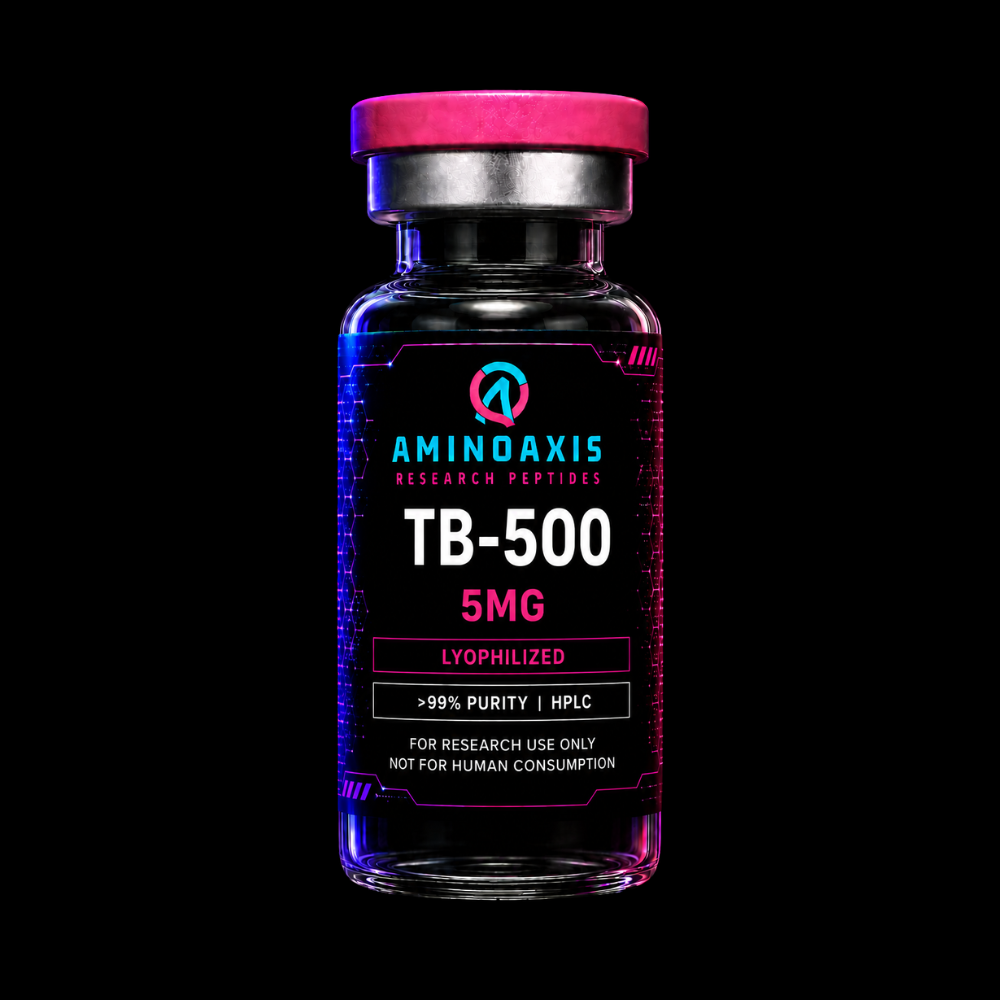
TB-500 is a synthetic peptide corresponding to the active region of TB4 (amino acids 17-23 region). This fragment contains the actin-binding domain responsible for many of TB4's biological effects. TB-500 is more commonly used in research than full-length TB4 because it is smaller, easier to synthesize at high purity, and retains the key functional properties.
Anti-Inflammatory Properties
TB4 has been shown to modulate inflammatory responses through several mechanisms. Published data indicates it reduces production of pro-inflammatory cytokines (TNF-alpha, IL-1beta, IL-6) and chemokines, while promoting anti-inflammatory mediators. This immunomodulatory profile contributes to its effects in wound healing contexts where excessive inflammation impedes repair.