Temperature Effects
Temperature is the single most important factor affecting peptide stability in solution. The Arrhenius equation predicts that reaction rates approximately double for every 10C increase in temperature. For peptide degradation, this means a peptide stored at room temperature (25C) degrades roughly 4-8 times faster than the same peptide stored at 4C.
At -20C (standard freezer), most chemical degradation pathways are effectively halted. Lyophilized peptides stored at -20C can maintain their purity for years. However, reconstituted solutions should generally not be frozen unless the specific peptide is known to tolerate freeze-thaw cycles, as ice crystal formation can damage peptide structure.
pH Effects
Peptide bonds are most stable near neutral pH (6.0-7.5). At both extremes, degradation accelerates through different mechanisms.
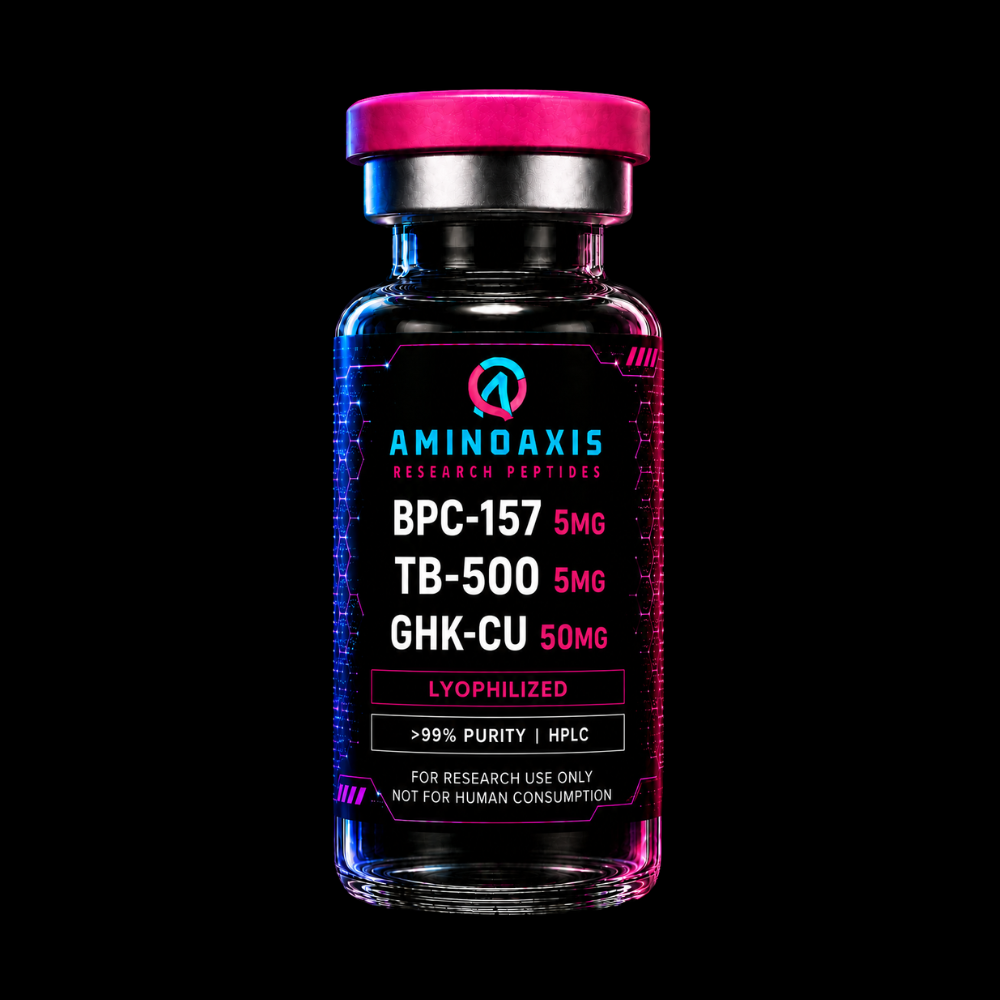
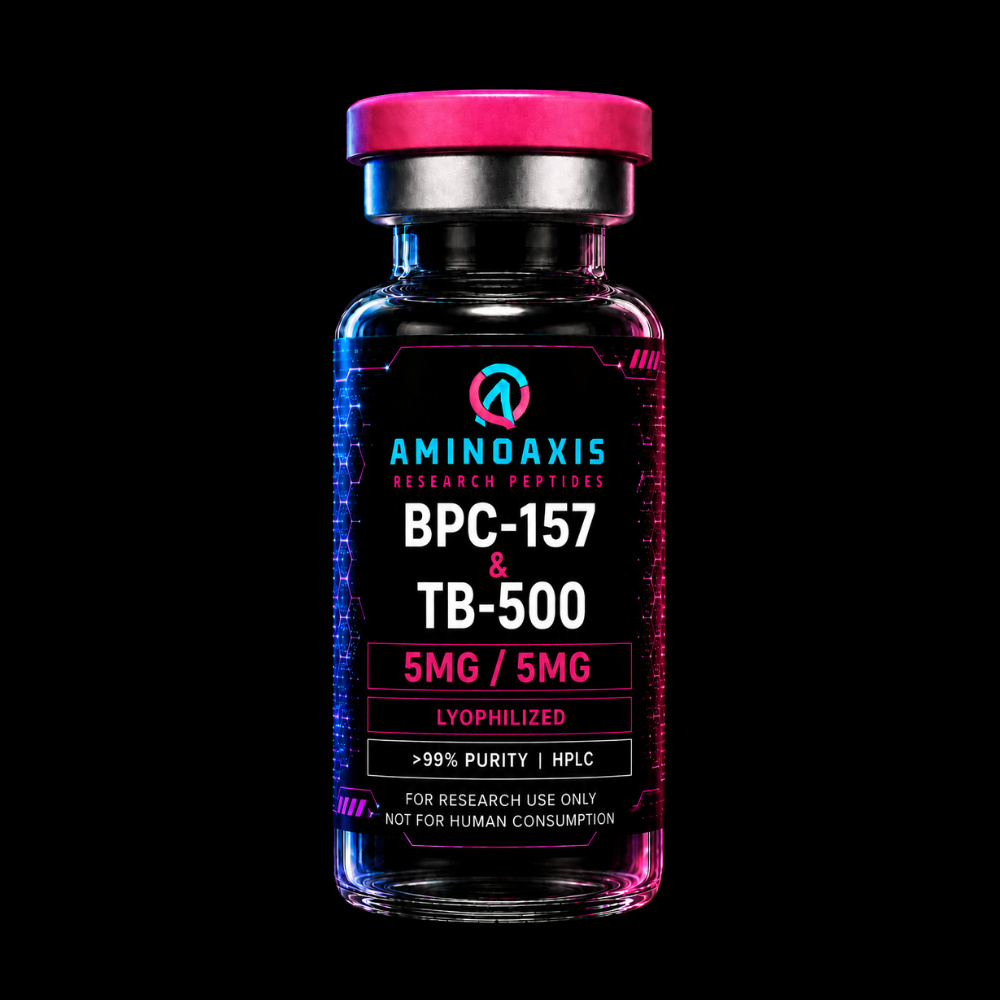
Acidic conditions (pH < 4): Acid-catalyzed hydrolysis cleaves Asp-Pro peptide bonds preferentially. Deamidation of asparagine to aspartate is also accelerated. However, some peptides like BPC-157, derived from gastric juice, show unusual stability in acidic conditions — a property that has been noted in published research.
Basic conditions (pH > 8): Base-catalyzed hydrolysis becomes significant. Beta-elimination reactions at serine and threonine residues can occur. Disulfide bonds may scramble through thiol-disulfide exchange.
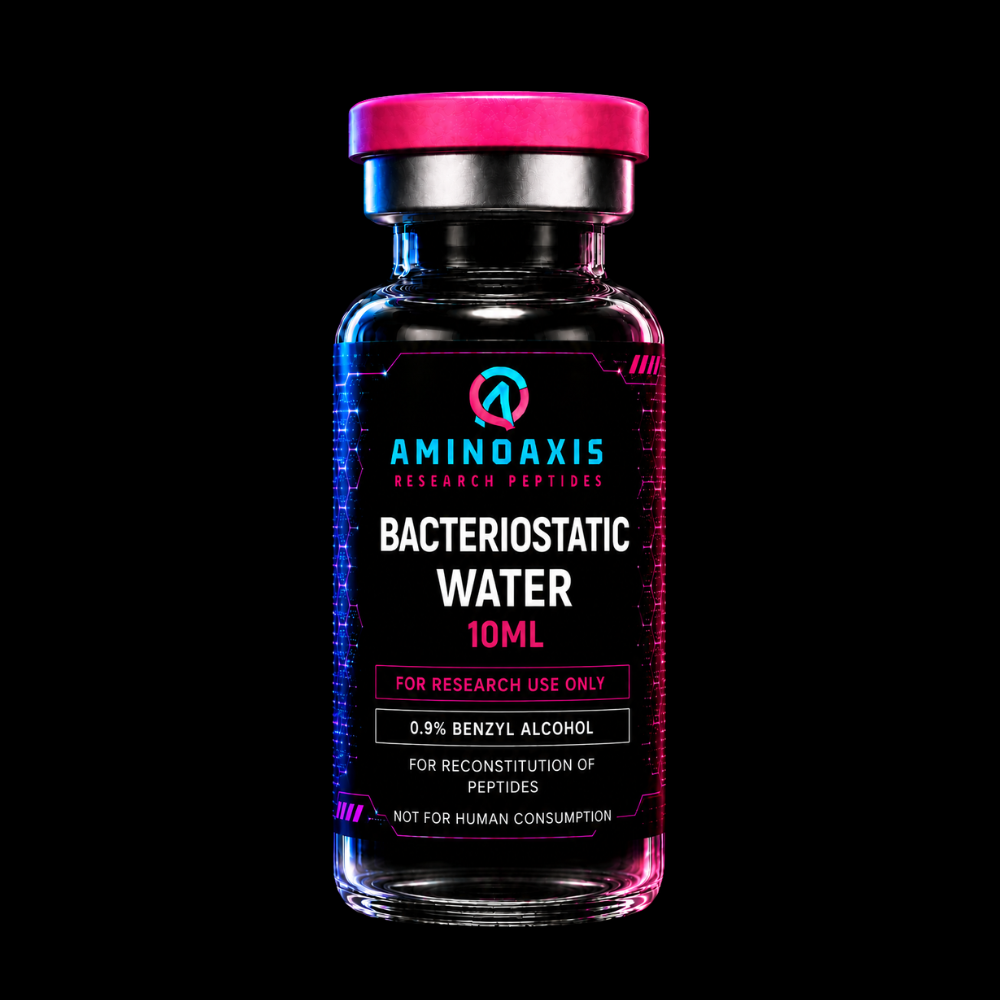
Neutral pH (6.0-7.5): Optimal for most peptides. Bacteriostatic water has a pH near 5.5-7.0, which falls within the stable range for most research peptides.
Combined Effects
Temperature and pH interact multiplicatively. A peptide that is stable for weeks at pH 7.0 and 4C may degrade within days at pH 4.0 and 37C. When designing stability studies or long-term storage protocols, both factors should be optimized simultaneously.
Practical Recommendations
Store lyophilized peptides at -20C. Reconstitute in bacteriostatic water (near-neutral pH). Store reconstituted solutions at 2-8C. Use within 3-4 weeks of reconstitution. If longer storage is needed, consider lyophilized aliquots rather than frozen solutions.