General Solubility Rules
Most research peptides are soluble in bacteriostatic water at concentrations used in standard protocols (1-10 mg/mL). However, solubility depends on the peptide's amino acid composition, length, charge, and hydrophobicity. Understanding these factors helps predict solubility and troubleshoot issues.
Amino Acid Composition Effects
Hydrophilic peptides (rich in charged residues like Arg, Lys, Asp, Glu, or polar residues like Ser, Thr) dissolve readily in water and aqueous buffers.
Hydrophobic peptides (rich in Ala, Val, Leu, Ile, Phe, Trp) may resist dissolution in water. These often require organic co-solvents or pH adjustment.
Neutral peptides with a mix of hydrophobic and hydrophilic residues usually dissolve in water but may require gentle agitation and time.
Solvent Selection
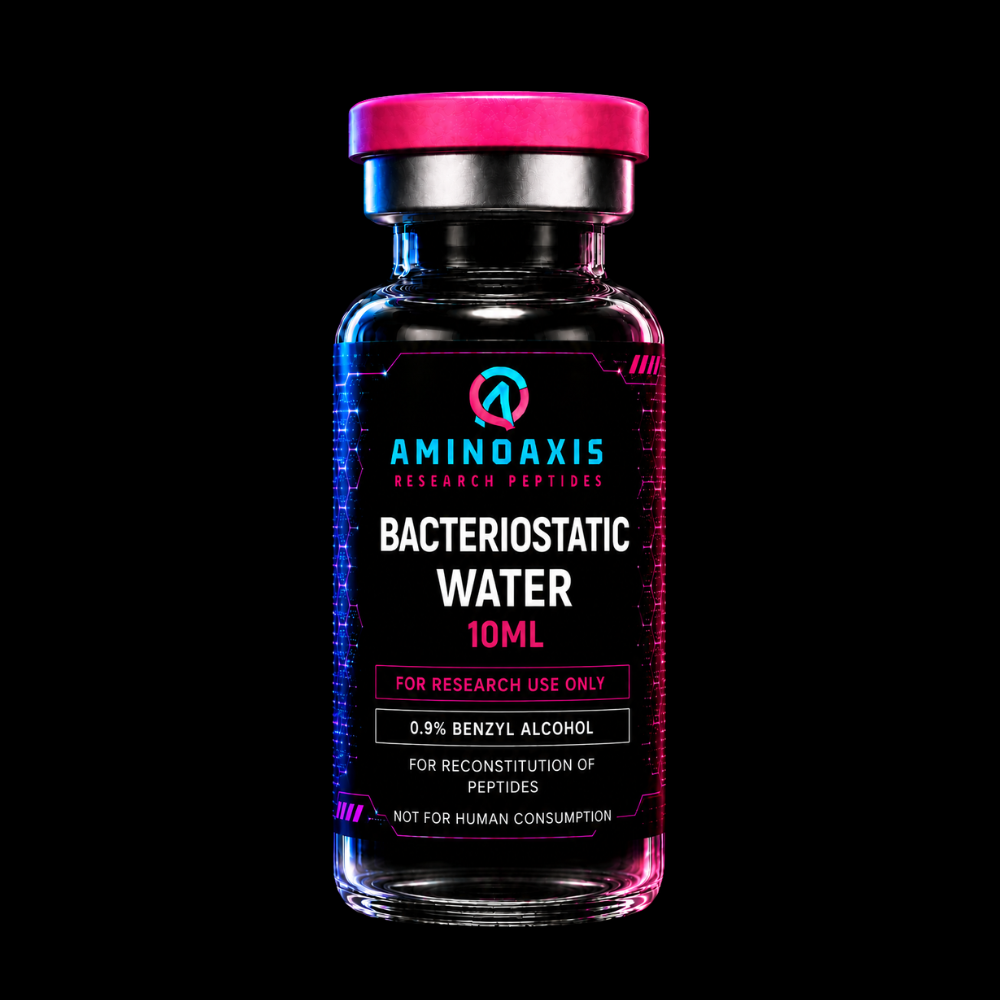
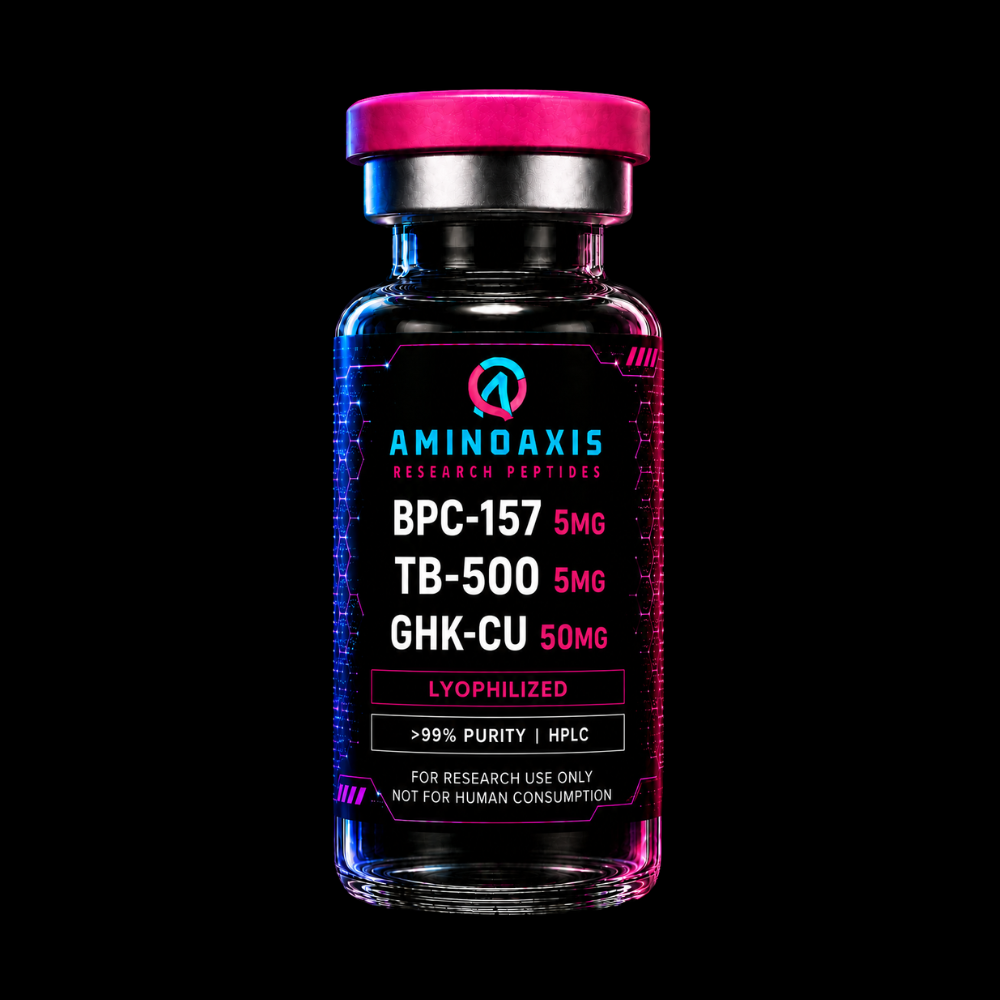
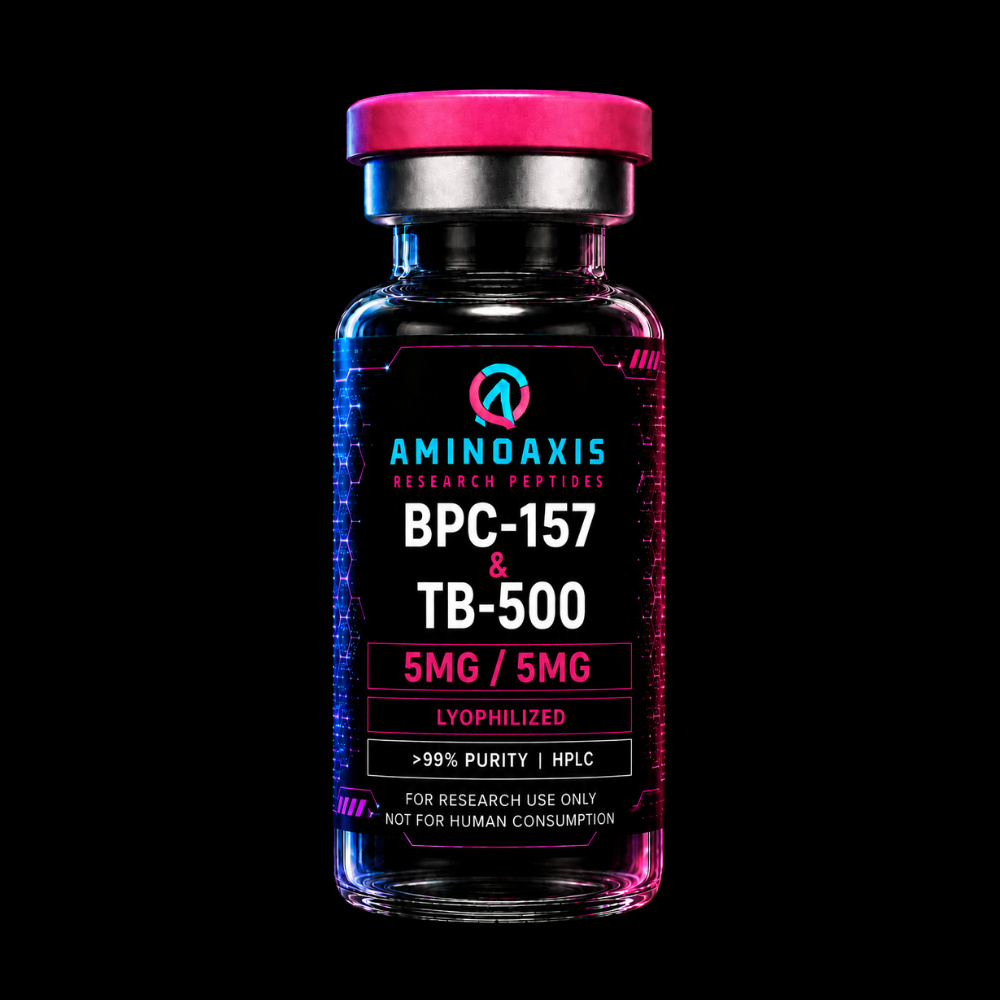
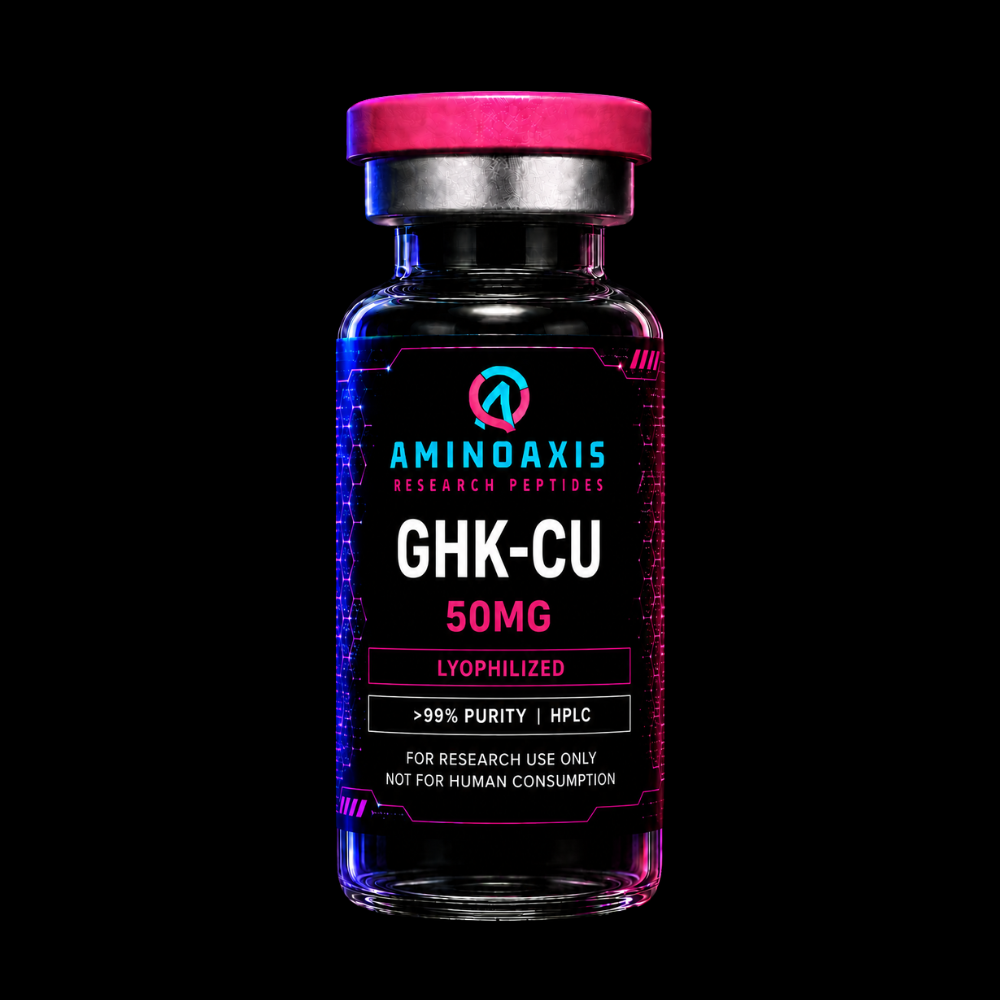
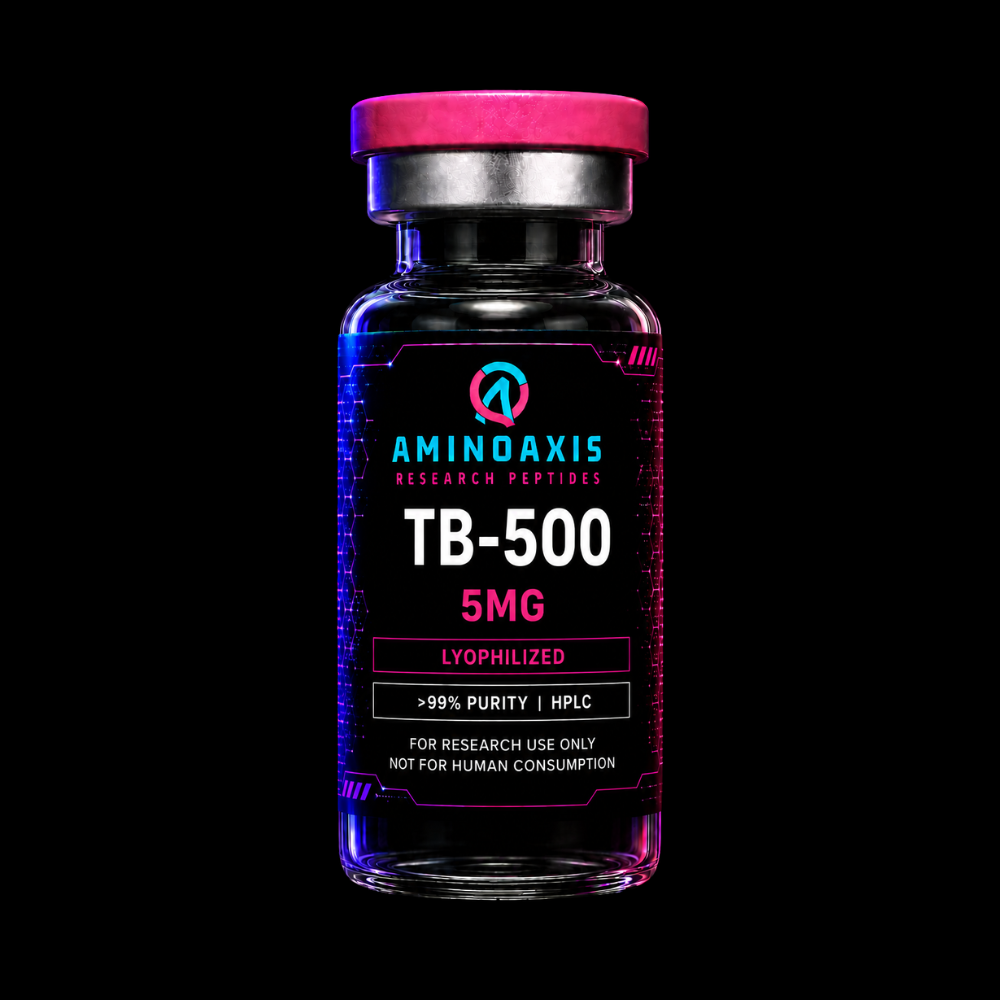
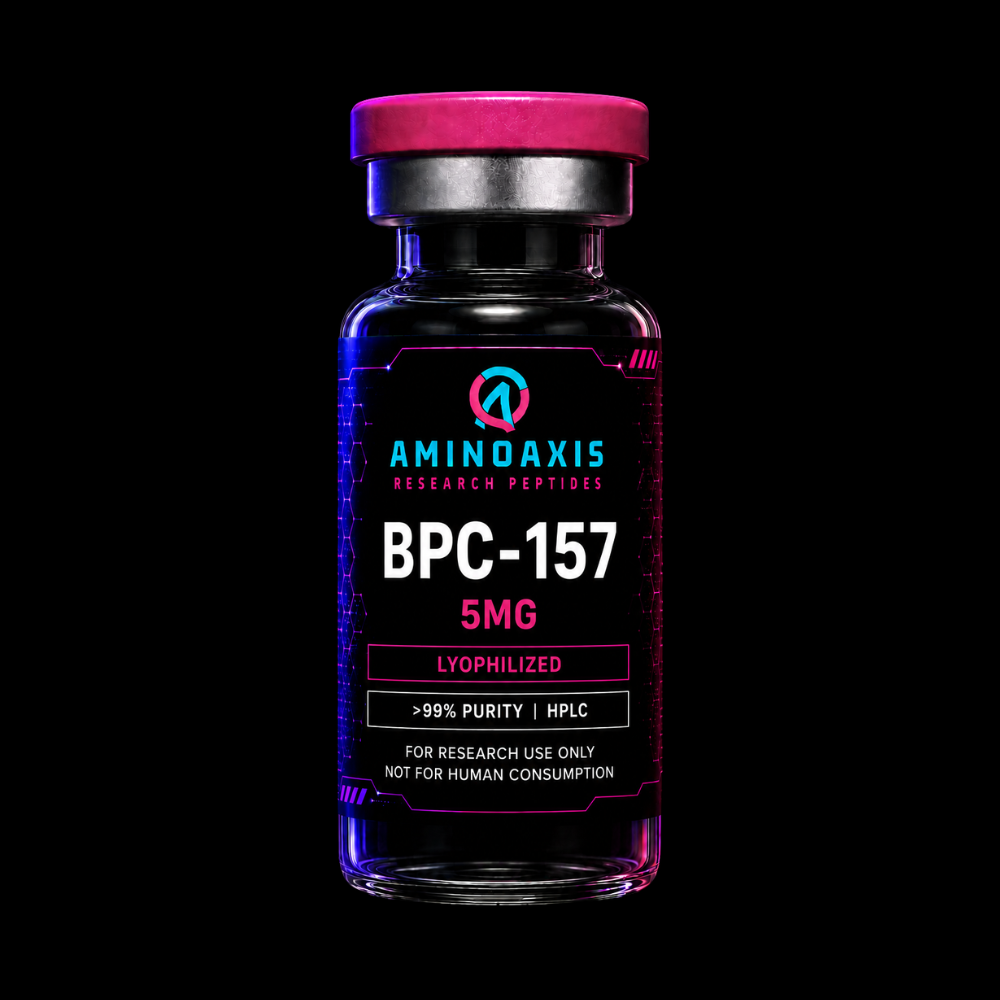
Bacteriostatic water: First choice for most peptides. Contains 0.9% benzyl alcohol preservative. Suitable for BPC-157, TB-500, GHK-Cu, and most other common research peptides.
Sterile water: Alternative if benzyl alcohol compatibility is a concern. No preservative — use immediately after reconstitution.
Dilute acetic acid (0.1%): Helpful for basic peptides (those with net positive charge). Lowers pH slightly, improving solubility of peptides with multiple Arg or Lys residues.
DMSO: Last resort for highly hydrophobic peptides. Dissolve in minimal DMSO first, then dilute into aqueous buffer. Final DMSO concentration should stay below 5% to minimize effects on biological assays.
Troubleshooting
If a peptide does not dissolve within 5 minutes of gentle swirling, let it sit at room temperature for 15-30 minutes. Brief sonication in a water bath (not probe sonication) can help. If still insoluble, try a small amount of dilute acetic acid or DMSO before concluding there is a quality issue.
Never heat a peptide solution to improve solubility — elevated temperatures accelerate degradation.