Regulatory Framework
Research peptides occupy a specific regulatory category. They are not FDA-approved drugs, dietary supplements, or food additives. They are chemical compounds manufactured for use as research tools in laboratory settings. This distinction is important because it determines how they can be legally sold, purchased, and used.
In the United States, research chemicals including peptides can be legally sold and purchased for legitimate research purposes. They are not controlled substances (with specific exceptions for certain hormone analogs). However, they cannot be marketed for human therapeutic use, and sellers must clearly label them as "for research use only."
Seller Responsibilities
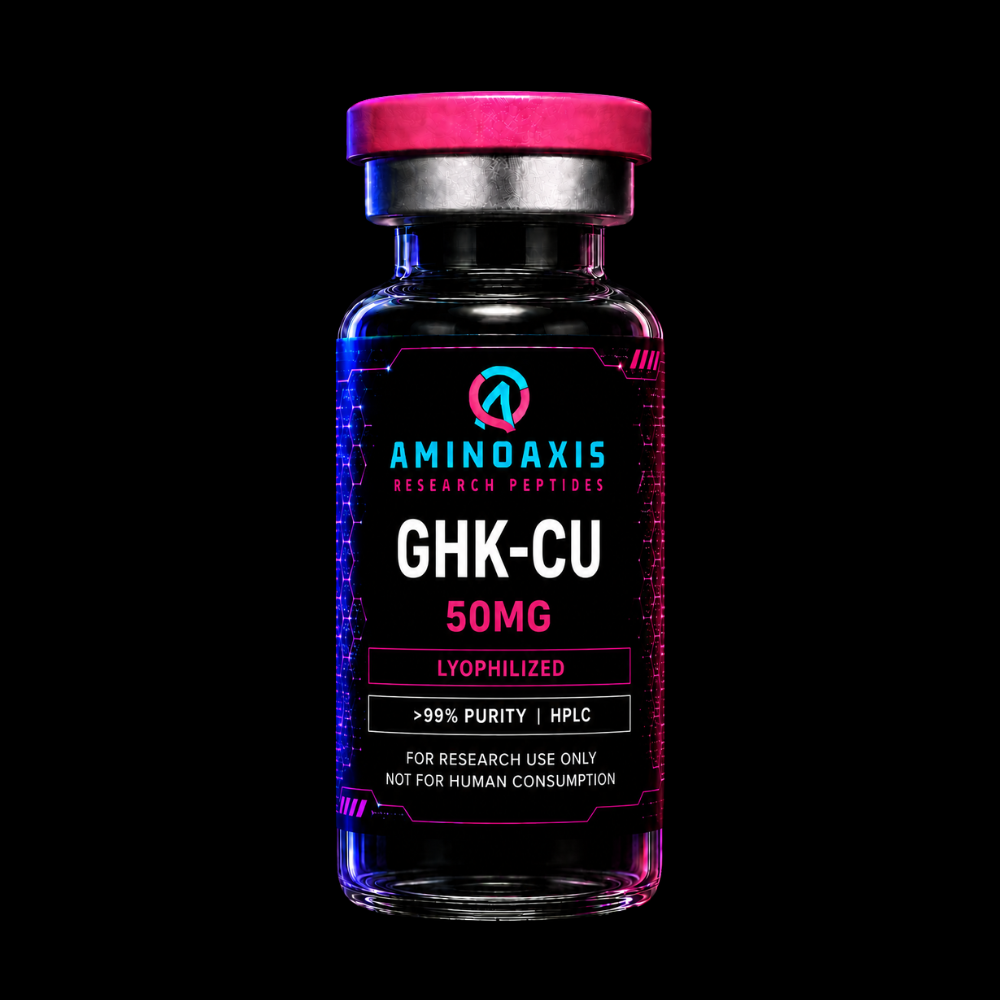
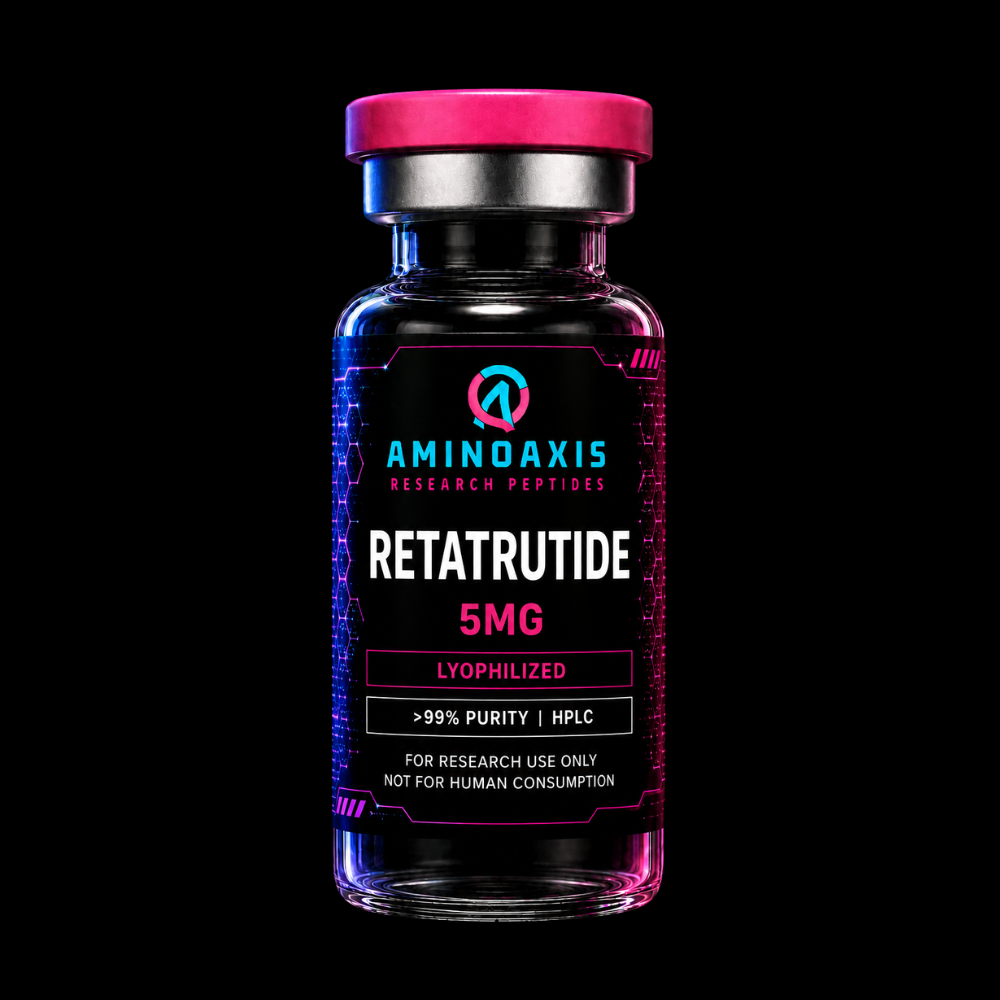
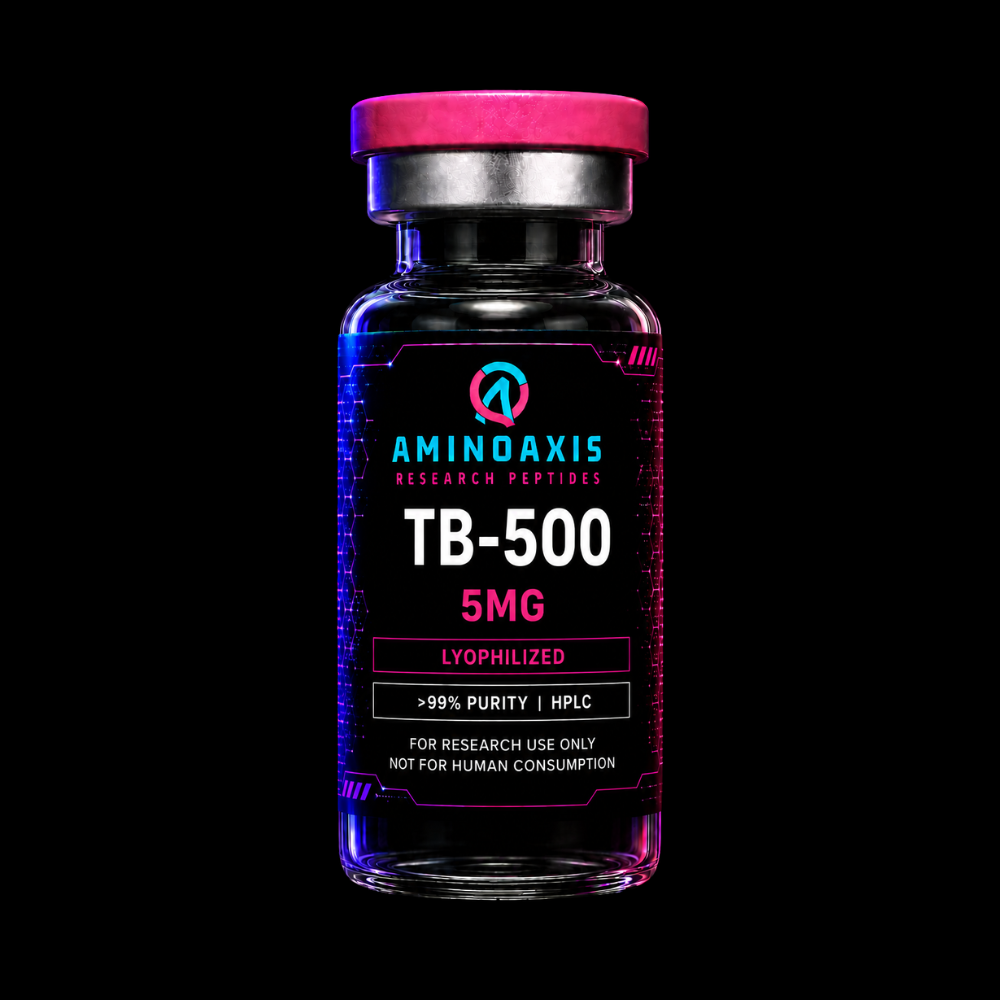
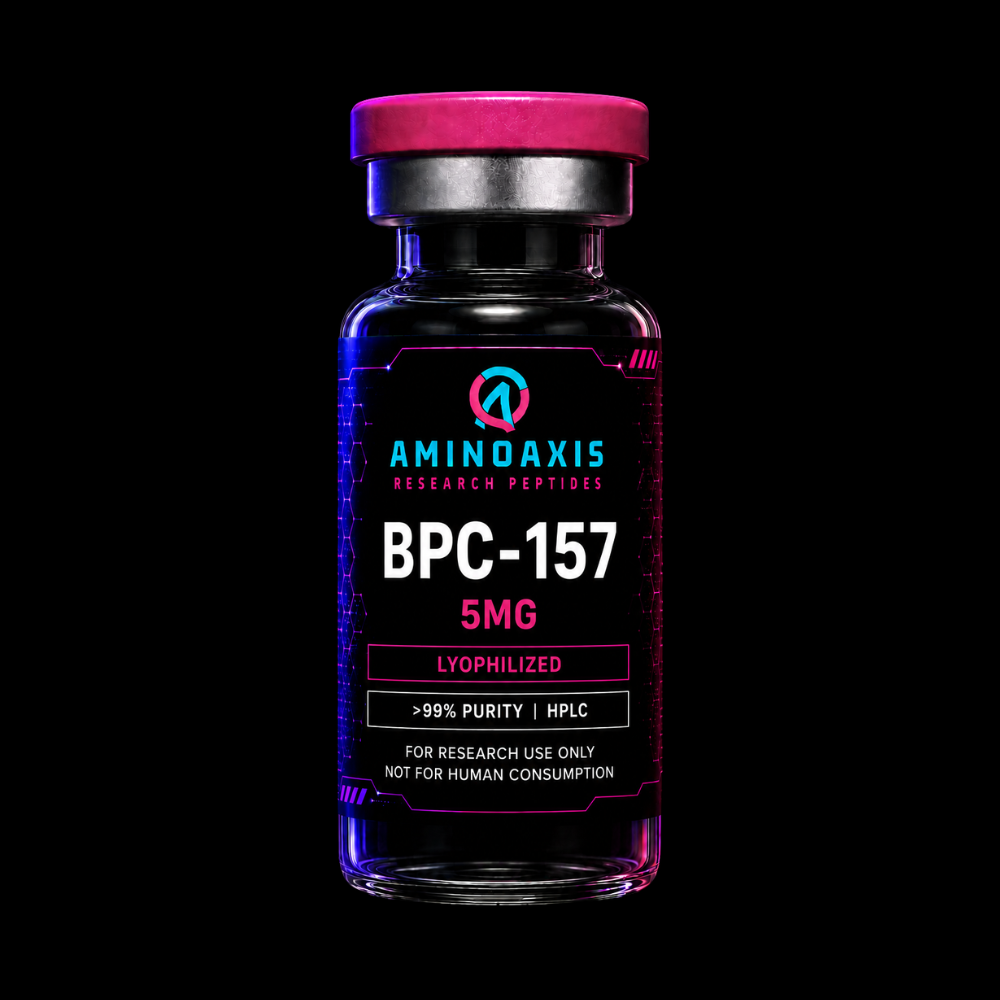
Reputable research peptide suppliers operate under clear guidelines. Products must be labeled as research-use-only. Marketing materials cannot make therapeutic claims or suggest human use. Certificates of Analysis must accurately represent product testing. And suppliers should implement reasonable measures to ensure products are being purchased for legitimate research purposes.
Red flags in a supplier's practices include: therapeutic claims on their website, dosing instructions for human use, customer reviews describing personal use, or marketing language that implies clinical efficacy.
Researcher Responsibilities
Researchers purchasing peptides are responsible for ensuring their intended use complies with applicable laws and institutional policies. Academic researchers should verify that their work falls within the scope of any applicable IRB (Institutional Review Board) approvals or IACUC (Institutional Animal Care and Use Committee) protocols.
Independent researchers should familiarize themselves with federal and state regulations governing the purchase and use of research chemicals in their jurisdiction.
Quality and Safety
Using properly characterized, high-purity research peptides is both an ethical and practical imperative. Impure or misidentified compounds can produce misleading results, wasting resources and potentially leading to incorrect scientific conclusions. This is why COA verification, HPLC purity data, and mass spectrometry identity confirmation matter — they ensure you are studying what you think you are studying.
Publication and Reporting
When publishing research involving peptides, standard practice includes reporting the source, purity, lot number, and reconstitution method used. This information allows other researchers to reproduce your work and assess potential variability due to compound quality. Citing the Certificate of Analysis in your methods section strengthens the reproducibility of your published findings.