Why Verification Matters
The research peptide market has a well-documented quality problem. Studies analyzing peptides purchased from online vendors have found significant rates of underdosing, contamination, and outright misidentification. This is not speculation — it is published in peer-reviewed literature.
For researchers, this means that failing to verify product quality introduces an uncontrolled variable into any work. For anyone purchasing peptides, basic due diligence is not optional — it is the difference between receiving what you paid for and receiving something else entirely.
The Verification Checklist
1. Certificate of Analysis
The single most important document. A legitimate COA should include:
- HPLC purity data with the actual chromatogram (not just a number)
- Mass spectrometry confirmation of identity
- A batch/lot number matching the product label
- The name of the testing laboratory
- The date of testing
If a vendor cannot provide a COA, or provides one without a chromatogram, batch number, or lab attribution — that is a major red flag. See our detailed COA guide for how to interpret each section.
2. Third-Party Testing
Testing performed by an independent laboratory carries more weight than in-house testing, because the testing lab has no financial interest in the results. Ask vendors explicitly whether their testing is in-house or third-party, and whether they can name the laboratory.
Some vendors publish COAs that look professional but are self-generated documents with no connection to actual laboratory analysis. The presence of a named, verifiable third-party laboratory is a significant credibility indicator.
3. Batch Traceability
Every vial should have a batch or lot number, and that number should match a specific COA. This traceability chain means you can verify that the testing results apply to your specific product — not to a different batch manufactured months or years earlier.
Vendors who provide "generic" COAs (one document for all batches, or COAs without batch numbers) are not providing meaningful quality documentation.
4. Product Appearance
Lyophilized peptides should appear as a white to off-white powder or puck at the bottom of the vial. Warning signs include:
- Discoloration (yellow, brown, or grey tints)
- Liquid in what should be a lyophilized vial
- No visible product (the vial appears empty — peptide quantities are small, but something should be visible)
- Powder distributed on the walls or cap rather than settled at the bottom
5. Packaging and Labeling
Professional packaging is not a guarantee of quality, but poor packaging is a warning sign:
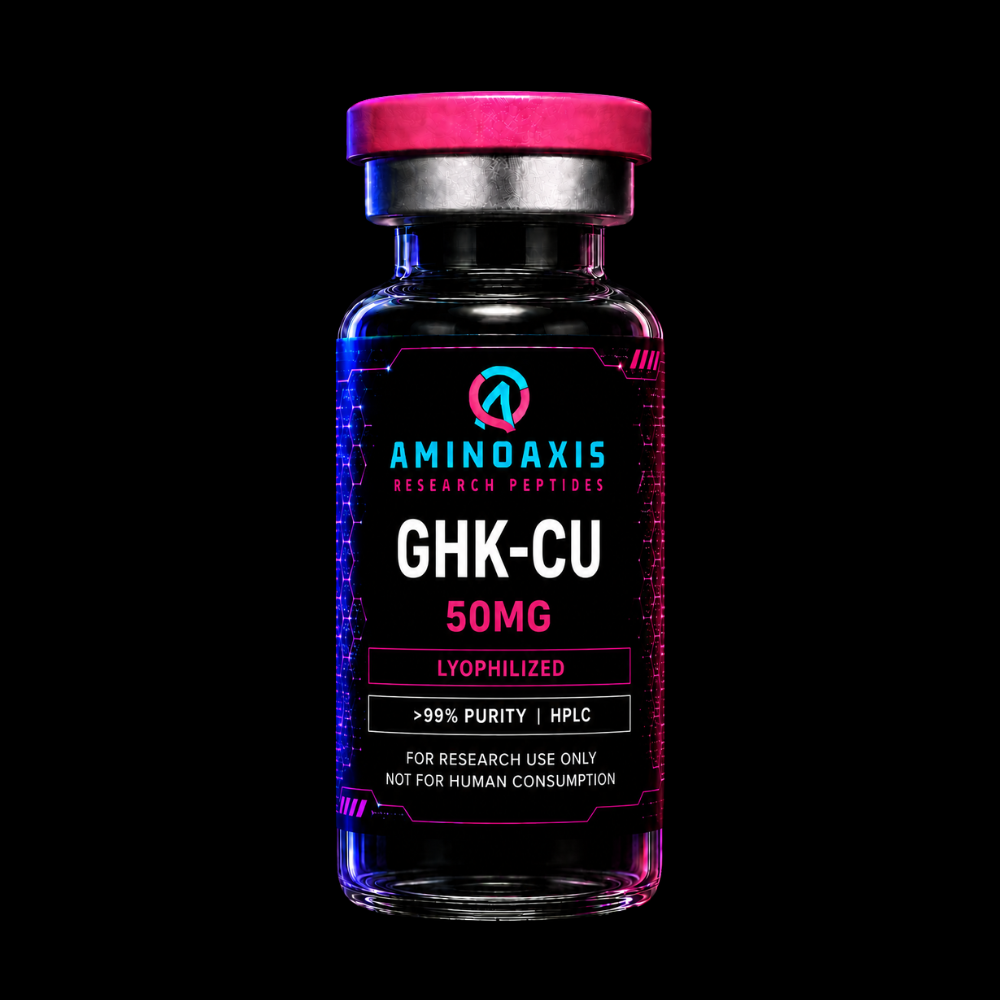
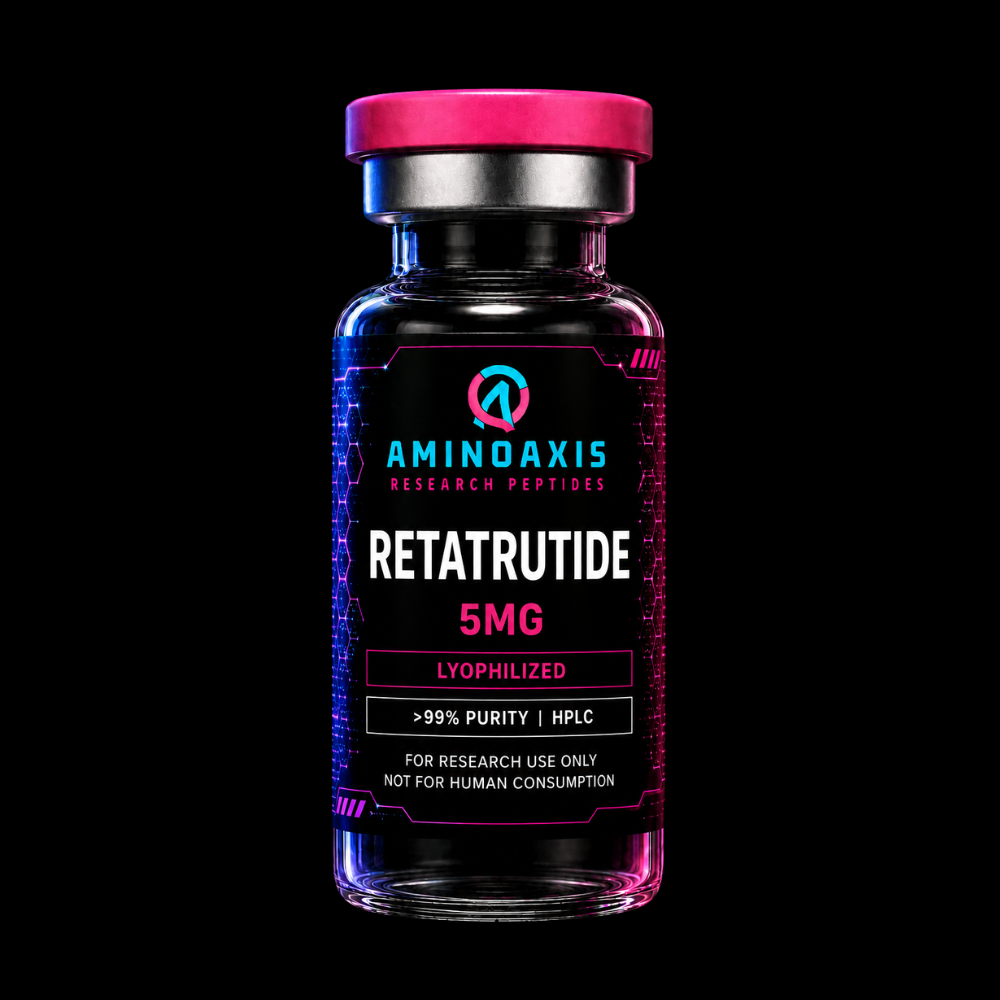
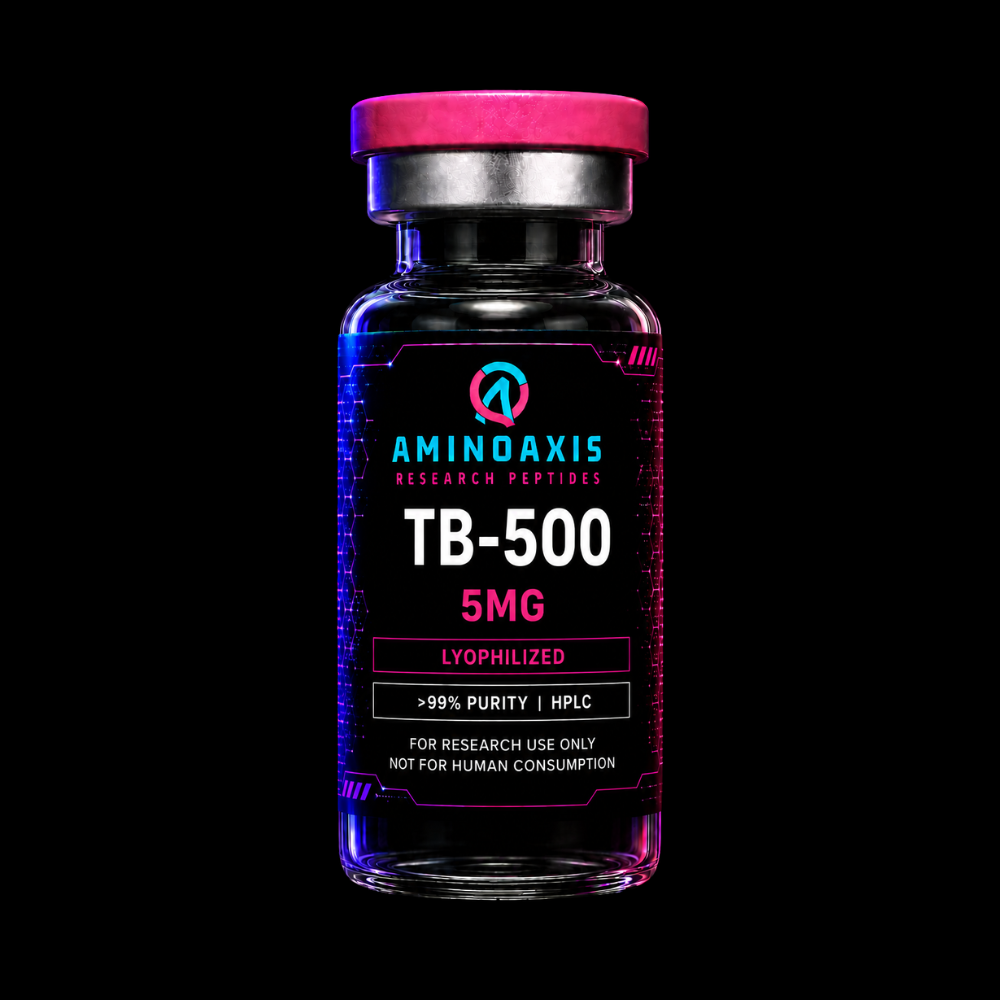
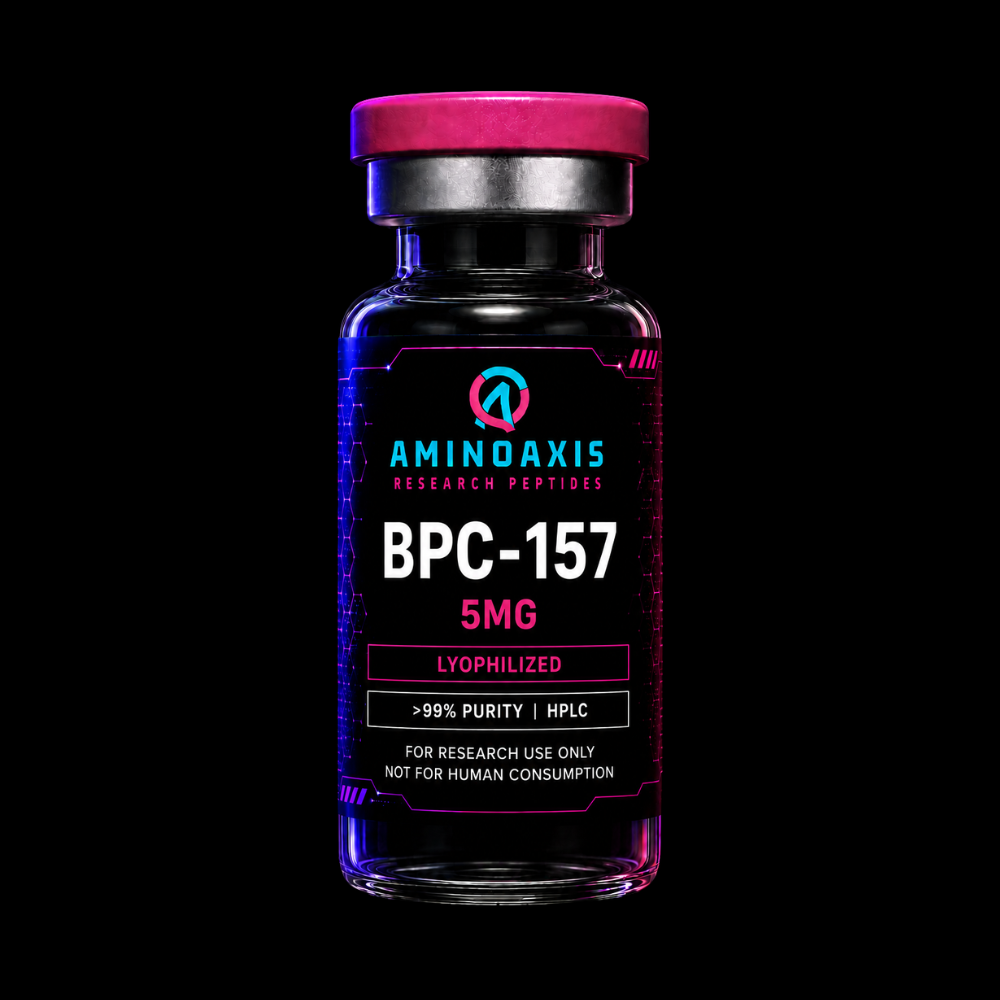
- Labels should clearly state the compound name, quantity (in mg), batch/lot number, and storage conditions
- Vials should be properly sealed with a crimp cap
- The product should arrive with appropriate packaging to prevent damage during transit
6. Vendor Transparency
Evaluate the vendor themselves:
- Do they publish COAs on their website, or only provide them on request?
- Do they name their testing laboratory?
- Do they have a physical business address (not just a PO box)?
- Do they respond to questions about their products and testing?
- Are there independent reviews from verified purchasers?
A vendor who is transparent about their testing, publishes their certificates, and stands behind their products is more likely to be selling a quality product than one that obscures this information.
What to Do If You Suspect a Problem
If you receive a product that does not match expectations — appearance is wrong, no COA is available, the batch number does not match — contact the vendor before using the product. A reputable vendor will address quality concerns directly. A vendor who dismisses concerns or becomes evasive has given you important information about their reliability.
Independent third-party testing is available from analytical laboratories if you want to verify a product's identity and purity yourself, though this involves additional cost and time.
AminoAxis Approach
At AminoAxis, every tested batch has its Certificate of Analysis published with full HPLC chromatograms, batch numbers matching product labels, and third-party laboratory attribution. We believe transparency is the baseline, not a differentiator — and we publish our results because we are confident in what we sell.