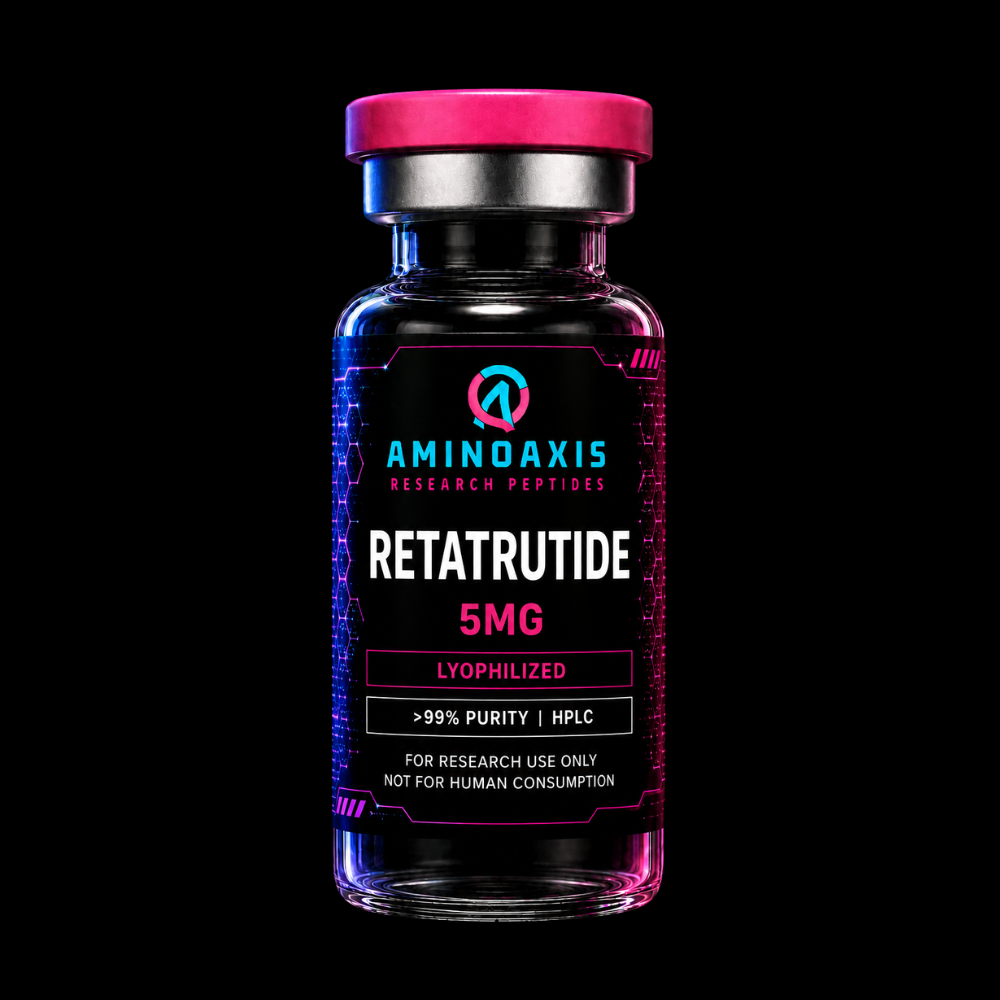
What Is GLP-2 (TR)?
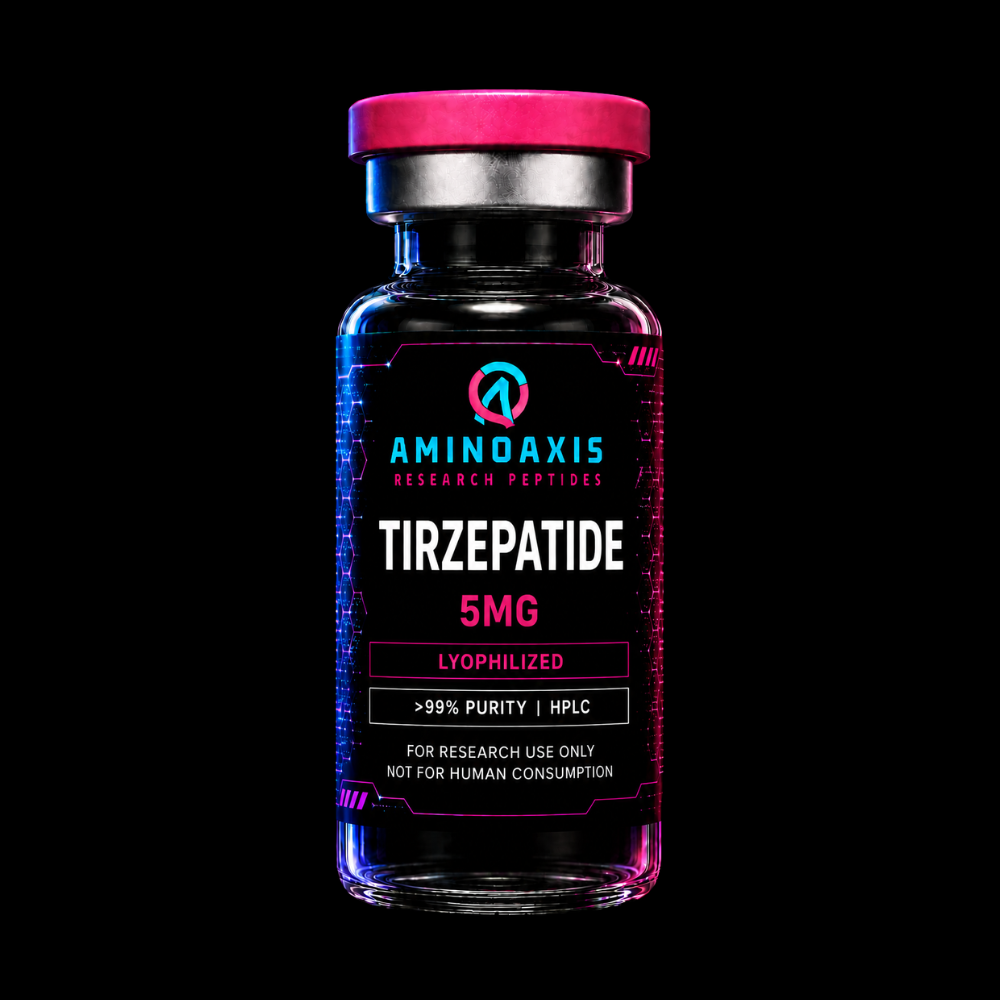
GLP-2 (TR) is a synthetic peptide that functions as a dual agonist at both the glucose-dependent insulinotropic polypeptide (GIP) receptor and the glucagon-like peptide-1 (GLP-1) receptor. By activating both incretin pathways simultaneously, it produces metabolic effects that exceed those of single-receptor agonists.
The compound was developed based on the observation that GIP and GLP-1 act through complementary mechanisms in glucose homeostasis and energy metabolism. Combining both activities in a single molecule simplifies research protocols and allows investigation of synergistic receptor interactions.
Dual Receptor Pharmacology
The two target receptors mediate distinct but overlapping metabolic effects. GLP-1 receptor activation enhances glucose-dependent insulin secretion, suppresses glucagon, slows gastric emptying, and modulates central appetite signaling. GIP receptor activation potentiates insulin secretion through separate intracellular pathways, influences lipid metabolism in adipose tissue, and may affect bone mineral density.
Published research suggests that co-activation of both receptors produces greater insulin secretory responses than either alone, potentially through convergent signaling at the level of pancreatic beta cell cAMP production.
Published Clinical Data
Clinical trial results have demonstrated that dual GIP/GLP-1 agonism produces significant metabolic effects across multiple endpoints. Published Phase 3 data showed dose-dependent improvements in glycemic control and body weight reduction that exceeded those of GLP-1 single agonist comparators.
The magnitude of body weight changes observed in clinical trials — ranging from 15-21% reduction from baseline depending on dose — represented a significant advance over single-agonist compounds at the time of publication.
Research Applications
GLP-2 (TR) is available in lyophilized research-grade form. It is reconstituted in bacteriostatic water and stored at 2-8C. As a research compound, it enables investigation of dual incretin receptor pharmacology, comparative studies against single agonists, and exploration of dose-response relationships in controlled laboratory settings.