What Is GLP-1?
Glucagon-like peptide-1 (GLP-1) is an incretin hormone produced by L-cells in the small intestine in response to food intake. It plays a central role in glucose homeostasis through multiple mechanisms: stimulating insulin secretion from pancreatic beta cells in a glucose-dependent manner, suppressing glucagon release, slowing gastric emptying, and acting on hypothalamic neurons to modulate appetite.
Natural GLP-1 has a very short half-life (approximately 2 minutes) due to rapid degradation by the enzyme dipeptidyl peptidase-4 (DPP-4). This rapid clearance has driven extensive research into modified analogs with extended duration of action.
Single GLP-1 Receptor Agonists
The first generation of GLP-1 receptor agonists were designed to resist DPP-4 degradation while maintaining GLP-1 receptor binding affinity. These compounds demonstrated that sustained GLP-1 receptor activation could produce significant metabolic effects in clinical trials, including improvements in glycemic control and reductions in body weight.
Published research established that GLP-1 receptor agonism affects multiple organ systems beyond the pancreas, including the cardiovascular system, liver, and central nervous system — expanding the scope of research interest considerably.
Dual GLP-1/GIP Agonists
The next evolution in incretin research combined GLP-1 receptor agonism with glucose-dependent insulinotropic polypeptide (GIP) receptor agonism. Published clinical data for dual agonists showed enhanced metabolic effects compared to GLP-1 single agonists alone, suggesting additive or synergistic activity at the two receptors.
GIP receptor activation complements GLP-1 effects through distinct mechanisms in adipose tissue, bone, and pancreatic beta cells. The combination allows lower doses at each receptor while achieving greater overall metabolic impact.
Triple Agonists
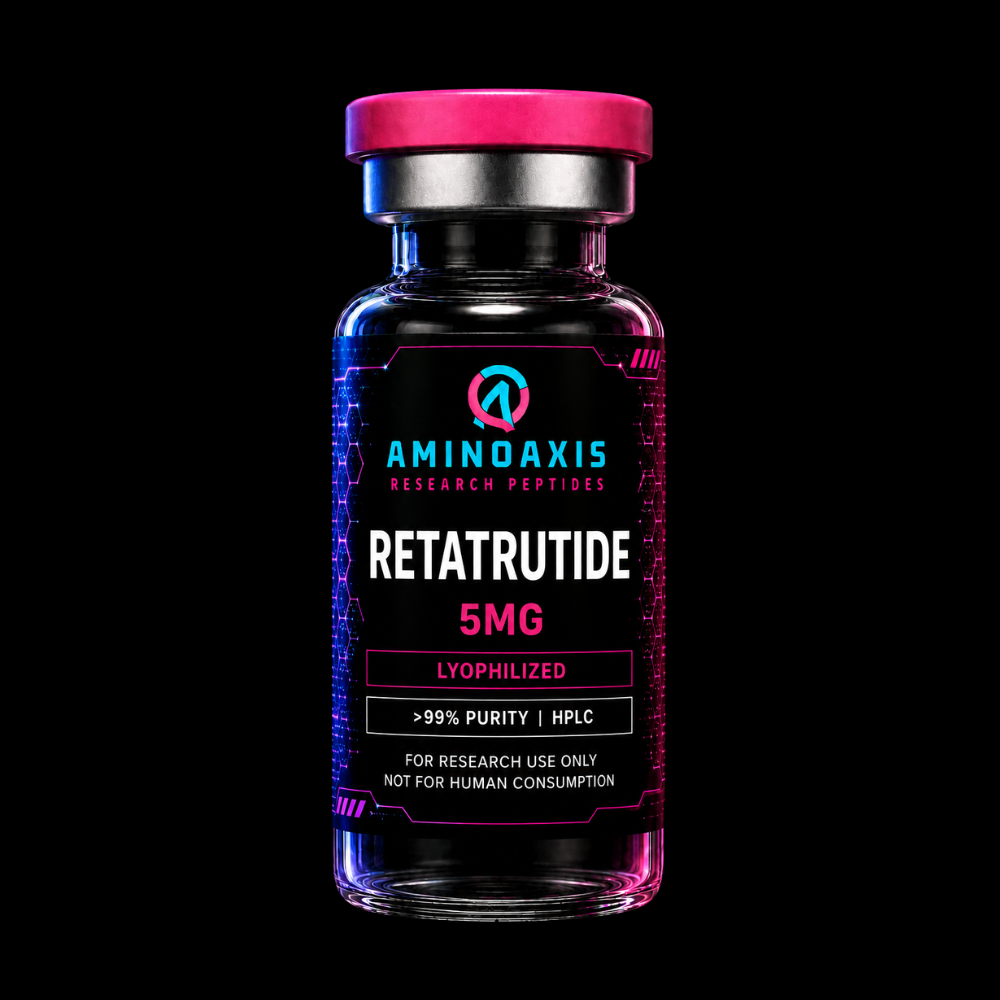
The most recent development adds glucagon receptor agonism to the GLP-1/GIP dual agonist backbone. Glucagon receptor activation increases hepatic energy expenditure and promotes fatty acid oxidation — metabolic effects not achieved through incretin receptor agonism alone. Published Phase 2 data for triple agonist compounds has shown the largest effect sizes reported in the class.
Research Peptide Context
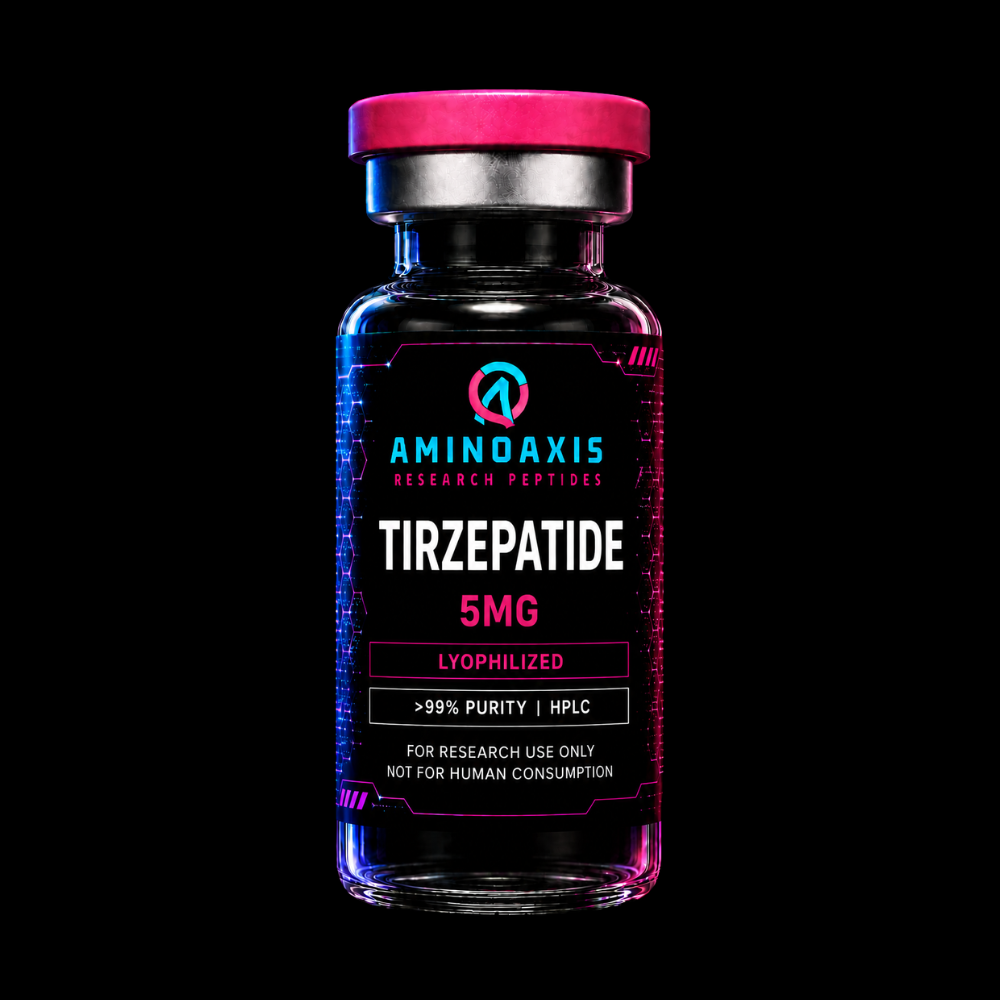
Research-grade GLP-1 pathway peptides are available for in vitro and laboratory investigation. These compounds allow researchers to study receptor pharmacology, signaling pathway activation, and structure-activity relationships in controlled experimental settings. All research applications should be conducted in accordance with applicable regulations.