Overview
GHK-Cu and BPC-157 are both extensively studied peptides in tissue biology research, but they operate through fundamentally different mechanisms and have distinct research profiles. Understanding these differences helps researchers select the appropriate compound for their specific investigation.
Origin and Structure
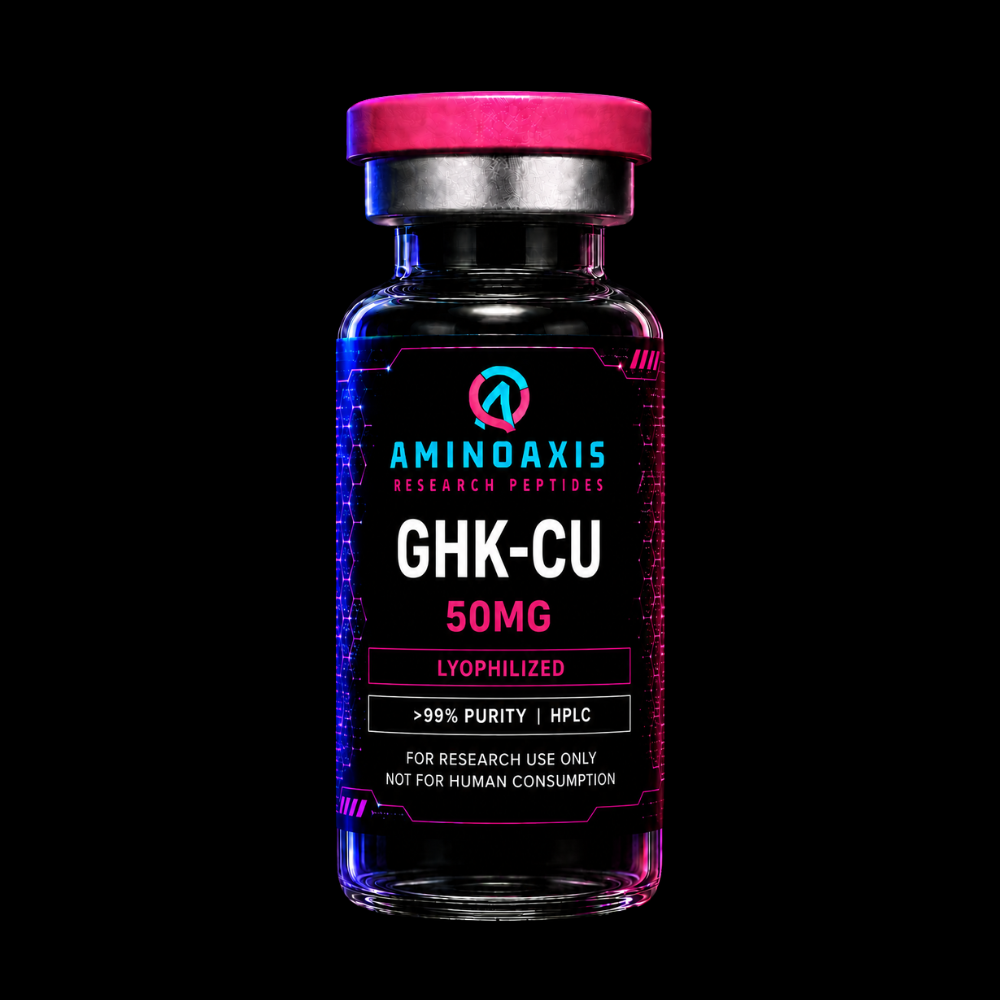
GHK-Cu: A naturally occurring tripeptide (three amino acids: Gly-His-Lys) complexed with a copper ion. Found naturally in human plasma, saliva, and urine. Molecular weight approximately 403 Da. One of the smallest biologically active peptides studied.
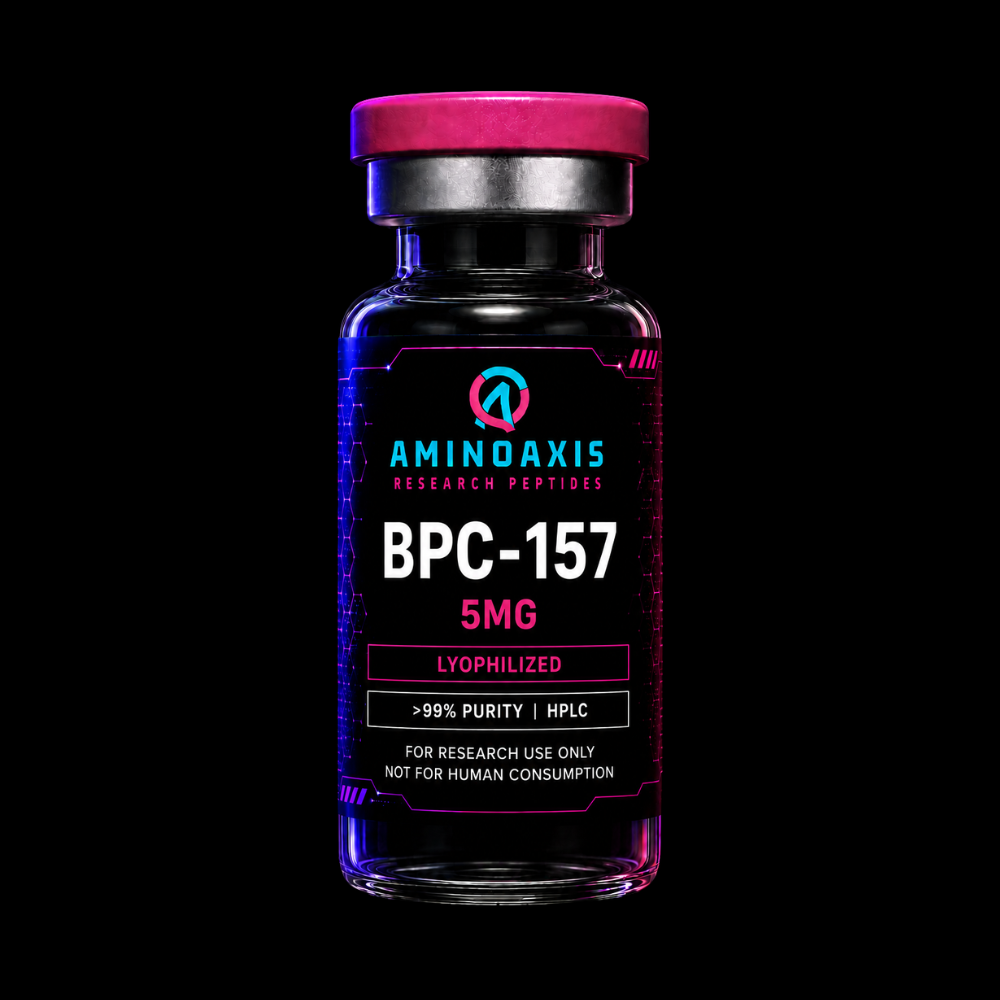
BPC-157: A synthetic pentadecapeptide (15 amino acids) derived from a protective protein found in human gastric juice. Molecular weight approximately 1419 Da. Does not occur naturally in this exact form — it is a partial sequence of a larger protein.
Primary Research Focus
GHK-Cu research centers on: skin biology and dermal remodeling, extracellular matrix regulation, gene expression modulation (over 4,000 genes affected per published data), copper-dependent enzymatic pathways, and antioxidant defense mechanisms.
BPC-157 research centers on: gastrointestinal mucosal protection, tendon and ligament repair, nitric oxide system modulation, blood vessel formation at injury sites, and neuroprotective effects in various CNS injury models.
Mechanism Differences
GHK-Cu acts primarily as a copper delivery system and gene expression modulator. Its effects are largely attributed to copper-dependent enzymatic activation and broad transcriptional changes affecting thousands of genes simultaneously.
BPC-157 appears to work through more targeted pathways — particularly the NO system, growth factor receptor expression (VEGF, EGF), and FAK-paxillin pathway activation. Its effects tend to be more localized to the site of injury or administration.
Research Volume
Both peptides have substantial published literature, though in different domains. GHK-Cu research is concentrated in dermatology, cosmetic science, and gene expression studies. BPC-157 research spans gastroenterology, orthopedic biology, neuroscience, and vascular biology — a broader range of tissue types.
Practical Considerations
Both are supplied lyophilized and reconstituted in bacteriostatic water. GHK-Cu is one of the most affordable research peptides due to its small size. BPC-157, being a larger peptide, is typically more expensive per milligram but is studied at lower molar concentrations.