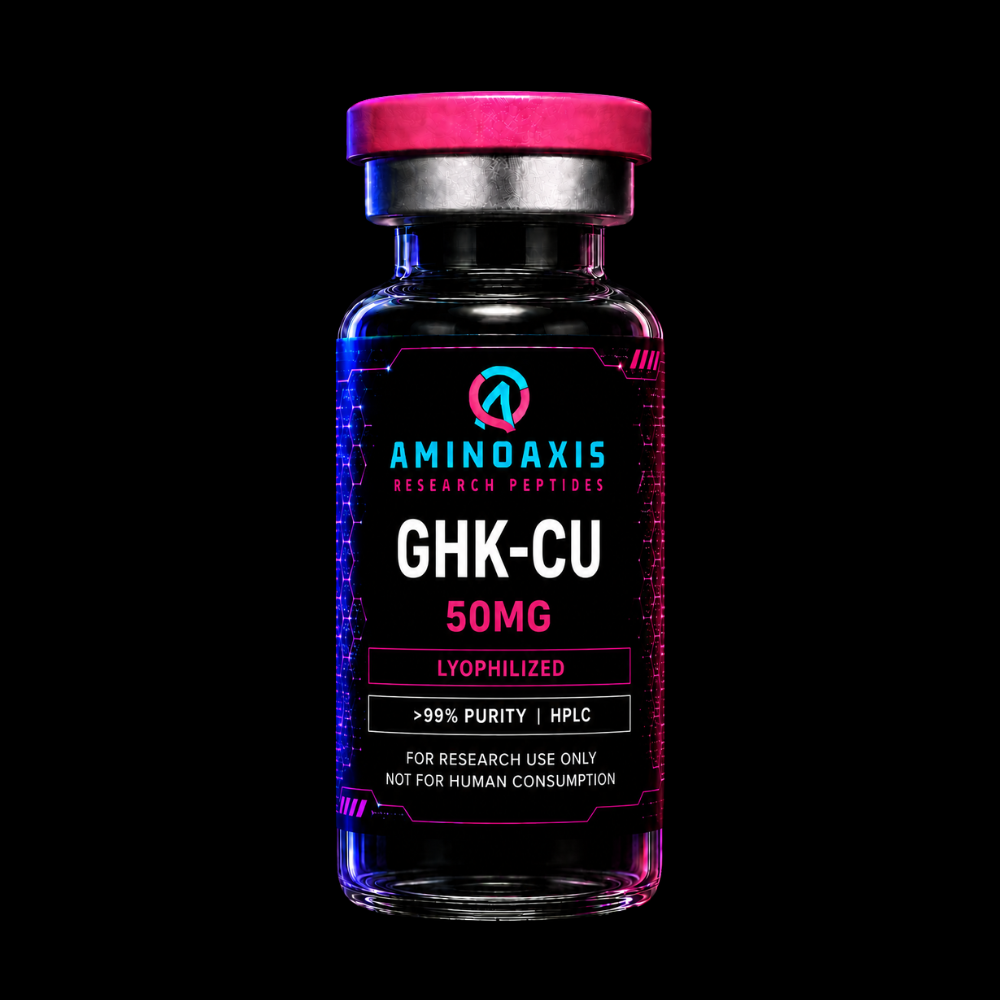
What Is GHK-Cu?
GHK-Cu (glycyl-L-histidyl-L-lysine copper complex) is a naturally occurring tripeptide first isolated from human plasma in the 1970s by Dr. Loren Pickart. Plasma levels decline significantly with age — from approximately 200 ng/mL at age 20 to roughly 80 ng/mL by age 60.
Mechanism of Action
GHK-Cu operates through multiple pathways. Its copper-binding properties allow it to serve as a copper delivery vehicle to cells, where copper plays essential roles in enzymatic processes including superoxide dismutase activity, collagen synthesis via lysyl oxidase, and cytochrome c oxidase function.
Published research indicates GHK-Cu modulates the activity of over 4,000 genes in the human genome, with notable effects on genes involved in extracellular matrix remodeling, antioxidant defense, and inflammatory response regulation.
Skin Biology Research
Multiple in vitro studies have demonstrated its ability to stimulate collagen synthesis in fibroblast cultures, with some studies reporting increases in collagen production of up to 70% compared to controls. Research has also examined effects on glycosaminoglycan synthesis including hyaluronic acid and dermatan sulfate.
Wound Healing Studies
Animal model studies have investigated GHK-Cu's role in wound healing, with published results showing accelerated wound closure, increased angiogenesis, and enhanced nerve outgrowth at wound sites. The peptide appears to attract immune cells and modulate inflammatory cytokine expression.
Anti-Inflammatory Properties
Published data shows the peptide can reduce levels of TNF-alpha, IL-6, and other pro-inflammatory cytokines in cell culture models. This anti-inflammatory activity may contribute to its observed effects in wound healing and tissue repair contexts.
Research Considerations
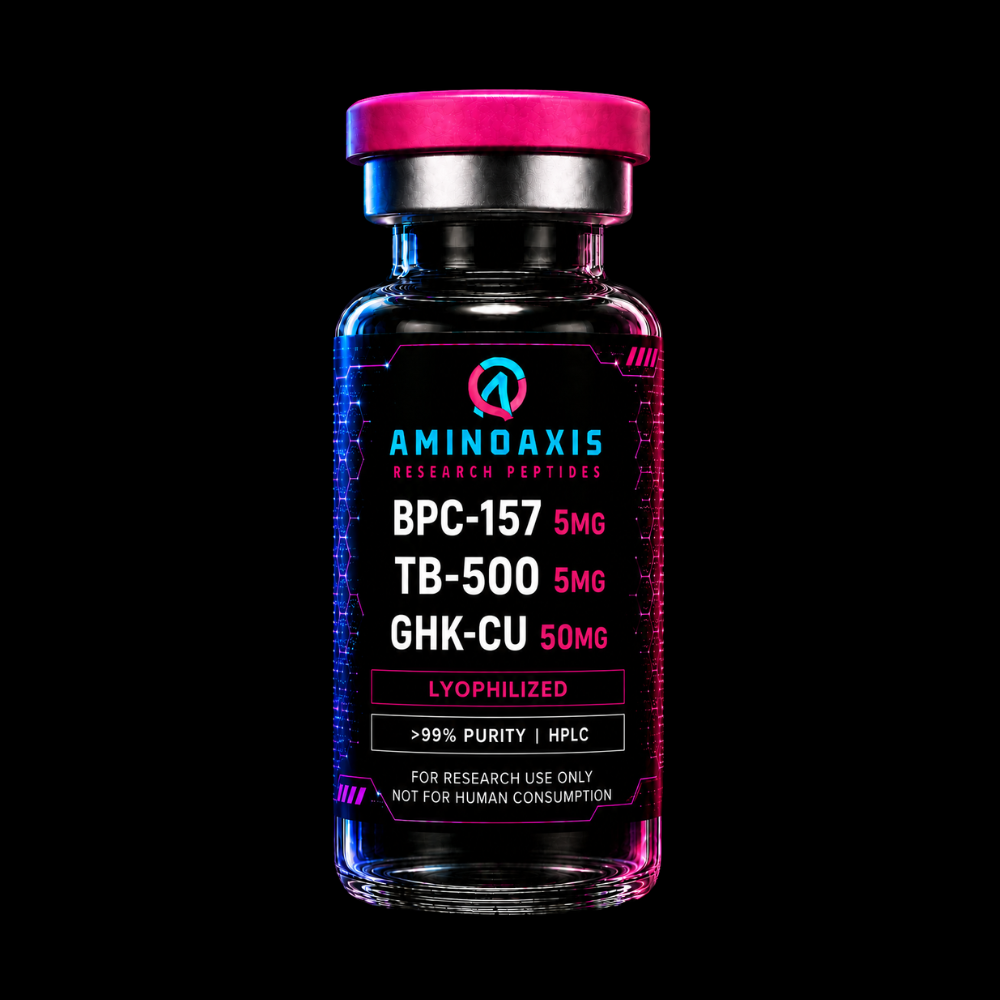
GHK-Cu is commercially available in lyophilized form at research-grade purity. Storage at 2-8°C in lyophilized form provides optimal stability, with reconstituted solutions typically used within 2-4 weeks. As with all research compounds, results from in vitro and animal studies should not be extrapolated to clinical applications.