1. Shaking Instead of Swirling
The most common reconstitution error. Vigorous shaking creates air-liquid interfaces that promote peptide aggregation and denaturation. Always add solvent gently down the vial wall and swirl — never shake or vortex a peptide vial.
2. Using Sterile Water Instead of BAC Water
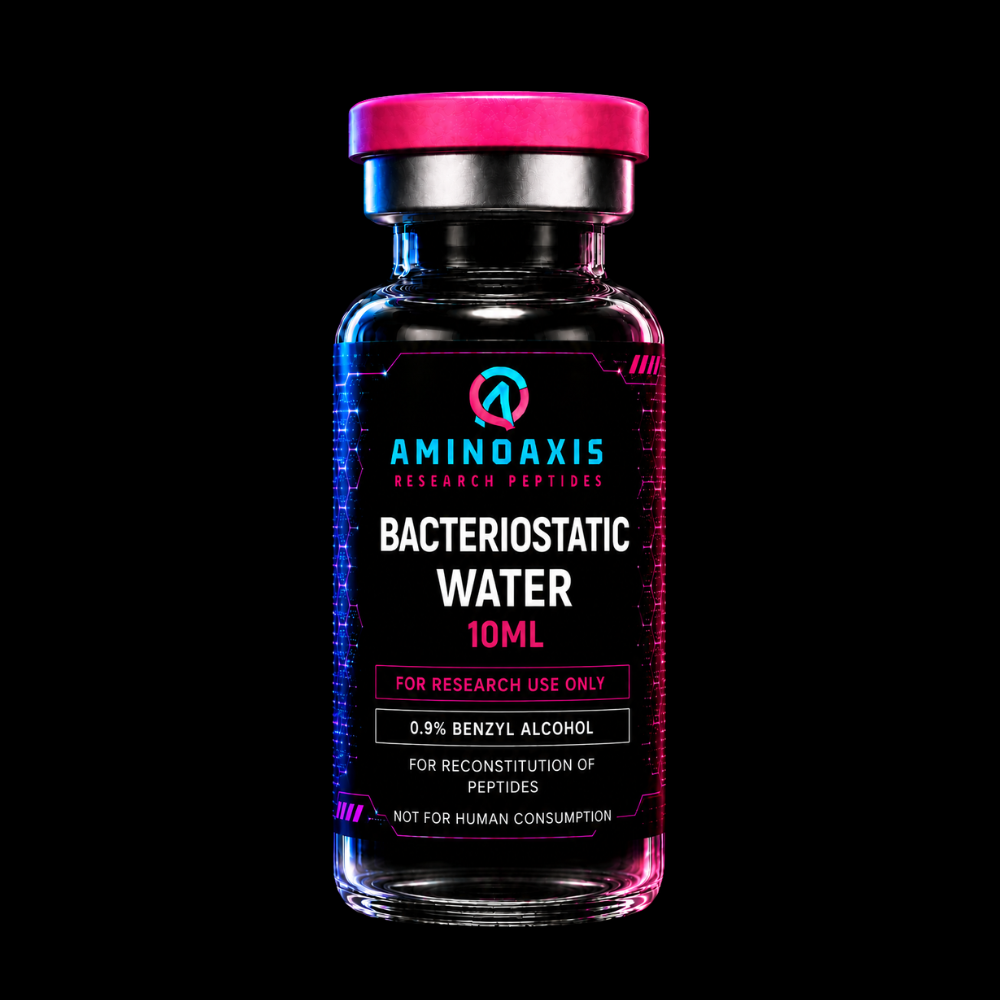
Sterile water lacks the benzyl alcohol preservative that inhibits bacterial growth. Using sterile water for multi-use reconstitution risks microbial contamination within days. Use bacteriostatic water for any vial you will access more than once.
3. Storing Reconstituted Peptides at Room Temperature
Reconstituted peptides degrade 4-8 times faster at room temperature than at 2-8C. Even leaving a vial on the bench for a few hours during a research session accelerates degradation. Return vials to the refrigerator immediately after each use.
4. Repeated Freeze-Thaw Cycles
Each freeze-thaw cycle damages peptides through ice crystal formation and concentration effects. Reconstitute once, aliquot into single-use volumes, and avoid freezing reconstituted solutions unless absolutely necessary.
5. Not Checking the COA
Assuming all suppliers provide equivalent quality is a significant error. Always verify that your peptide has a batch-specific COA with HPLC chromatogram and purity percentage. A number without a chromatogram is just a claim.
6. Injecting Water Directly onto the Powder
Direct injection onto the lyophilized cake can create localized high concentrations and damage the peptide. Always inject solvent slowly down the inside wall of the vial, allowing it to trickle onto the powder gradually.
7. Wrong Concentration Calculation
Errors in reconstitution volume lead to incorrect concentrations, which cascade into every subsequent measurement. Double-check your math: Concentration = Amount (mg) / Volume (mL). Use our reconstitution calculator guide for reference.
8. Ignoring Light Exposure
Peptides containing tryptophan, tyrosine, or phenylalanine are photosensitive. Storing clear vials on an open shelf under fluorescent lighting accelerates oxidative degradation. Use amber vials or wrap in foil.
9. Reusing Needles
Each needle puncture through the vial septum should use a fresh, sterile needle. Reusing needles introduces contamination and can core the septum rubber, allowing air and bacteria into the vial.
10. Not Recording Lot Numbers
If your results change unexpectedly, knowing which lot number produced which results allows you to determine if a peptide quality issue is the variable. Record the lot number, supplier, reconstitution date, and storage conditions for every vial used in your research.