Why Researchers Study These Together
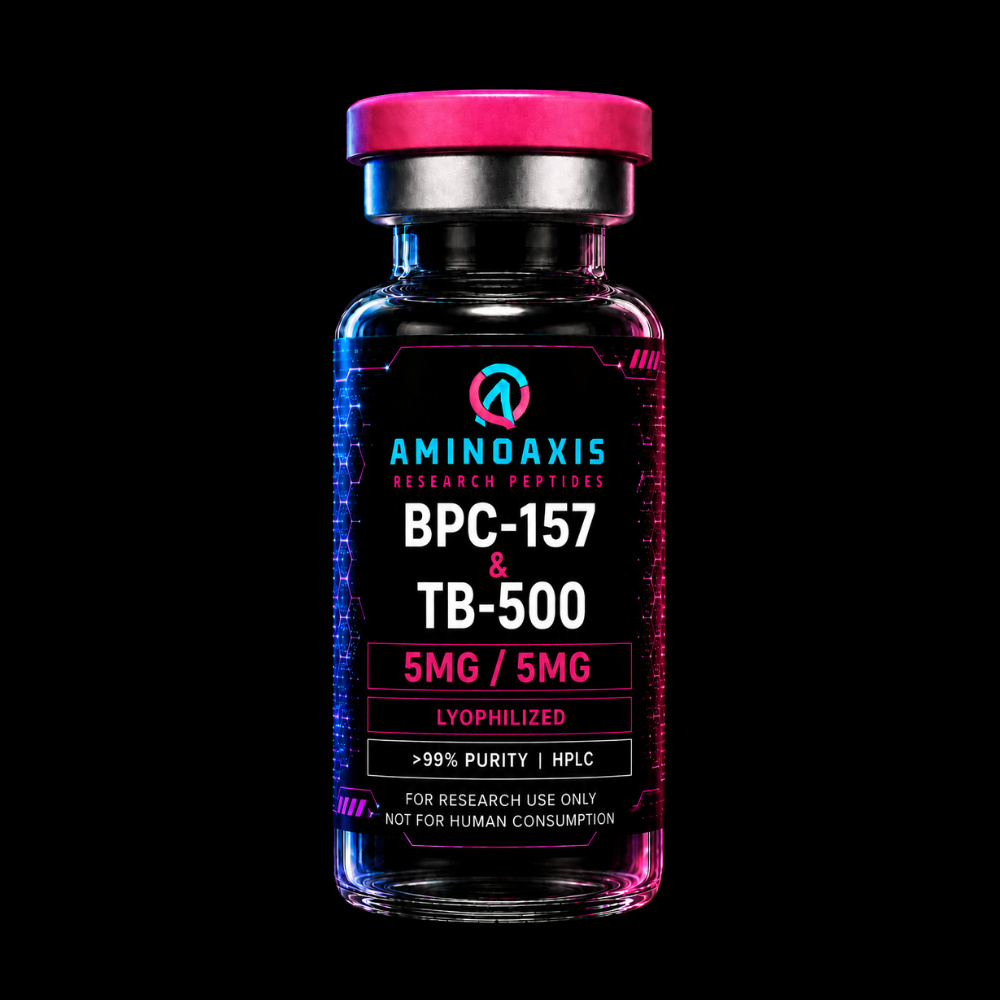
BPC-157 and TB-500 (Thymosin Beta-4) are among the most frequently co-studied peptides in tissue repair research. While each has been investigated individually across hundreds of published studies, their distinct but complementary mechanisms have led researchers to examine potential synergistic effects when used in combination.
Complementary Mechanisms
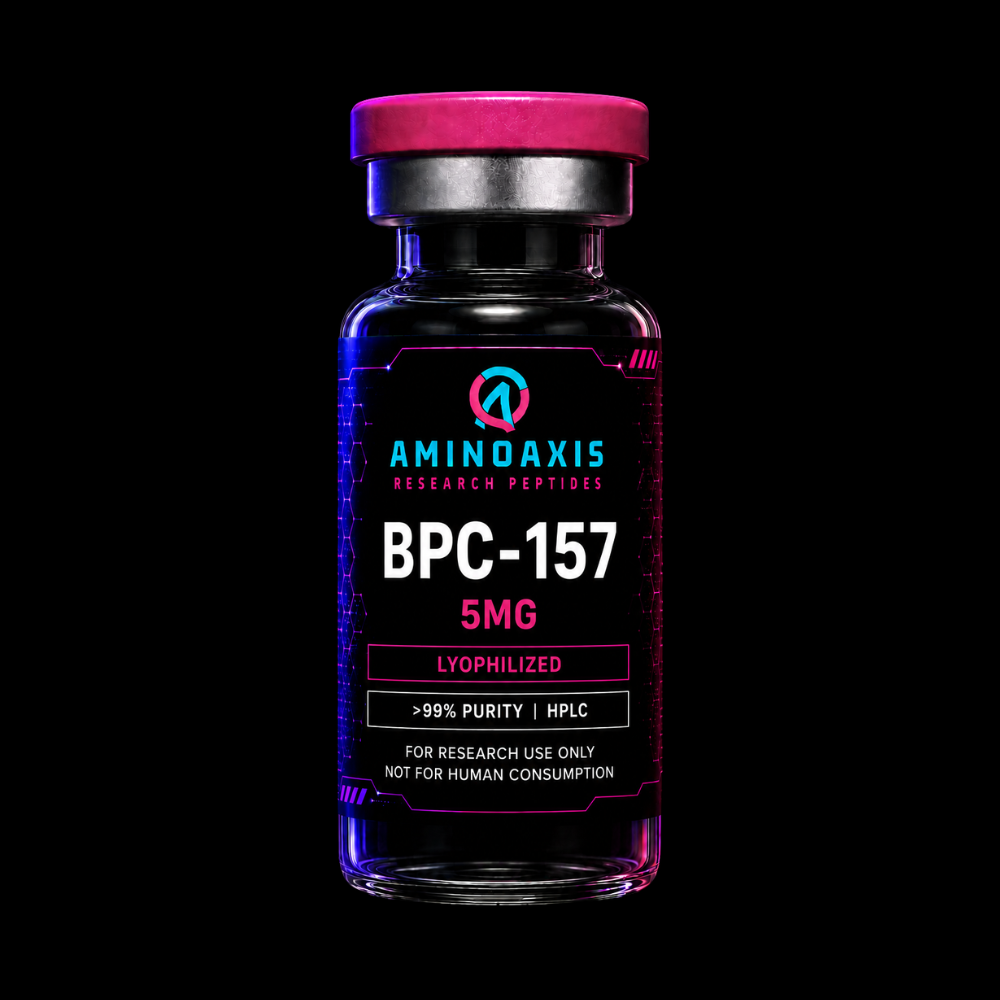
BPC-157 is a pentadecapeptide derived from human gastric juice. Published research focuses on its effects on the gastrointestinal tract, tendon and ligament tissue, and the nitric oxide system. Its proposed mechanisms include upregulation of growth factor receptors, modulation of the NO pathway, and effects on blood vessel formation at injury sites.
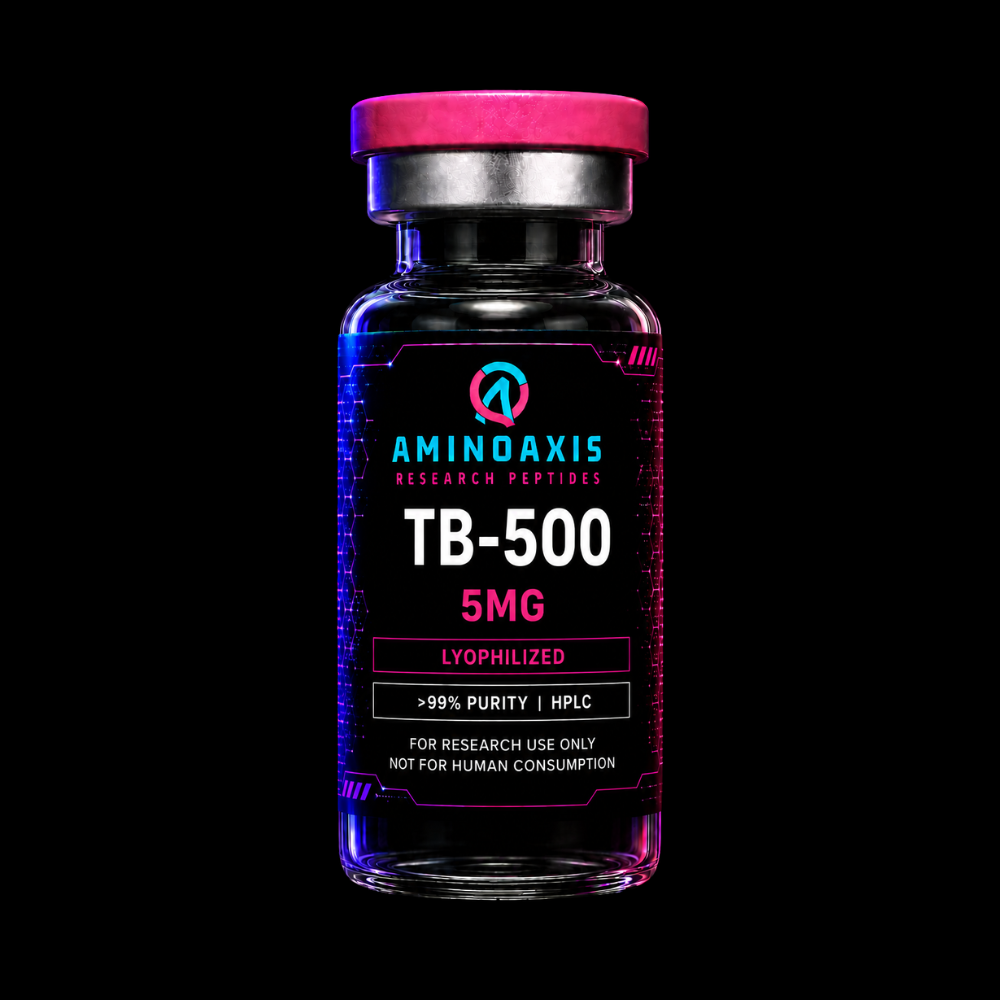
TB-500 is a synthetic analog of a 43-amino acid region of Thymosin Beta-4, a protein involved in cell migration, blood vessel formation, and regulation of actin polymerization. Its research profile centers on cardiac tissue, dermal wound repair, and inflammatory modulation.
The key distinction: BPC-157 research emphasizes localized tissue repair and GI protection, while TB-500 research emphasizes systemic distribution and cellular migration. Together, they address tissue repair from two different biological angles.
Published Research
While large-scale combination studies are limited, individual studies on each peptide support the rationale for combined investigation. BPC-157 studies have demonstrated effects on tendon healing, gastric ulcer repair, and nerve regeneration in animal models. TB-500 studies have shown effects on cardiac tissue repair, dermal wound closure, and reduction of inflammatory markers.
The complementary nature of their mechanisms — BPC-157 acting more locally through NO pathway modulation and growth factor receptor activity, TB-500 acting more systemically through actin regulation and cell migration — provides a scientific basis for studying potential additive or synergistic effects.
Reconstitution and Storage
Both peptides are supplied in lyophilized form and reconstituted with bacteriostatic water. They can be reconstituted in separate vials or, in some research protocols, combined in a single vial. Storage at 2-8°C after reconstitution is standard for both compounds.
Research Considerations
As with all research peptides, combination studies require careful experimental design. Variables including concentration ratios, timing of administration, and endpoint selection should be determined based on the specific research question. Published single-compound data provides the foundation for designing meaningful combination experiments.