Gastric Juice Origins
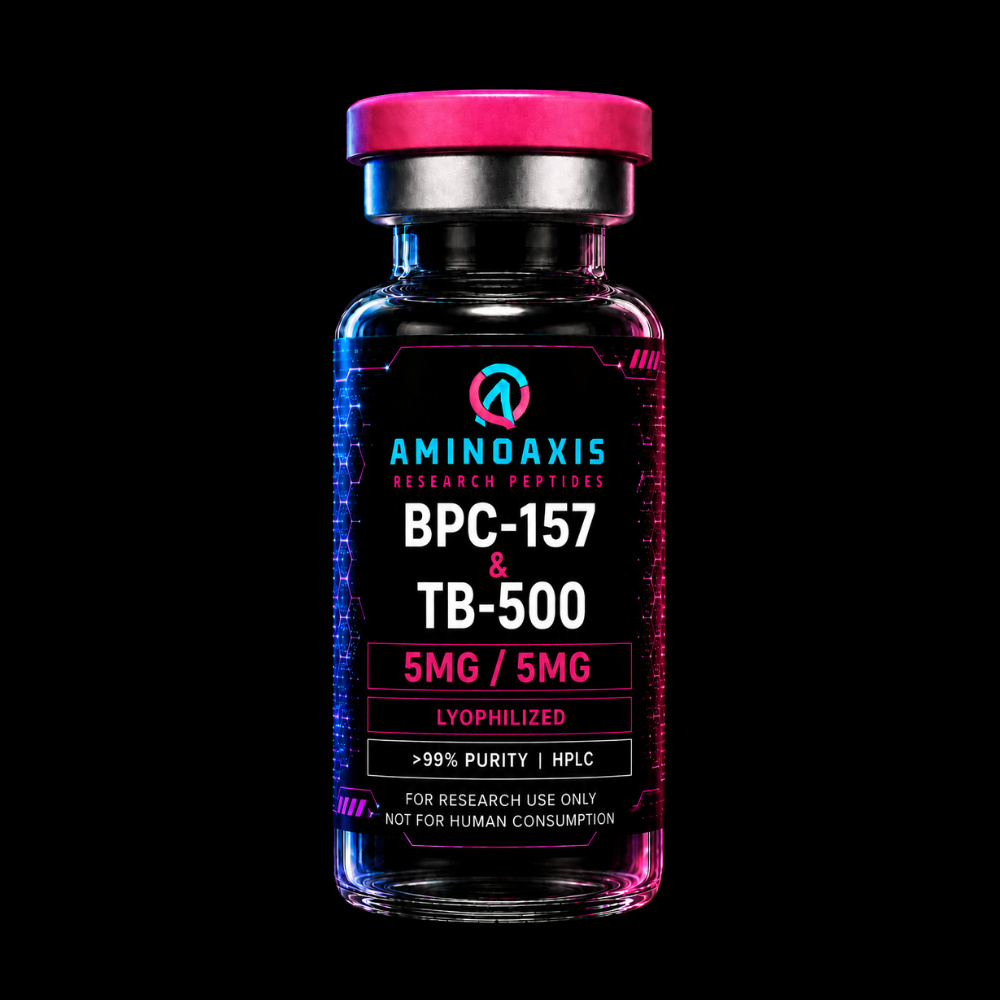
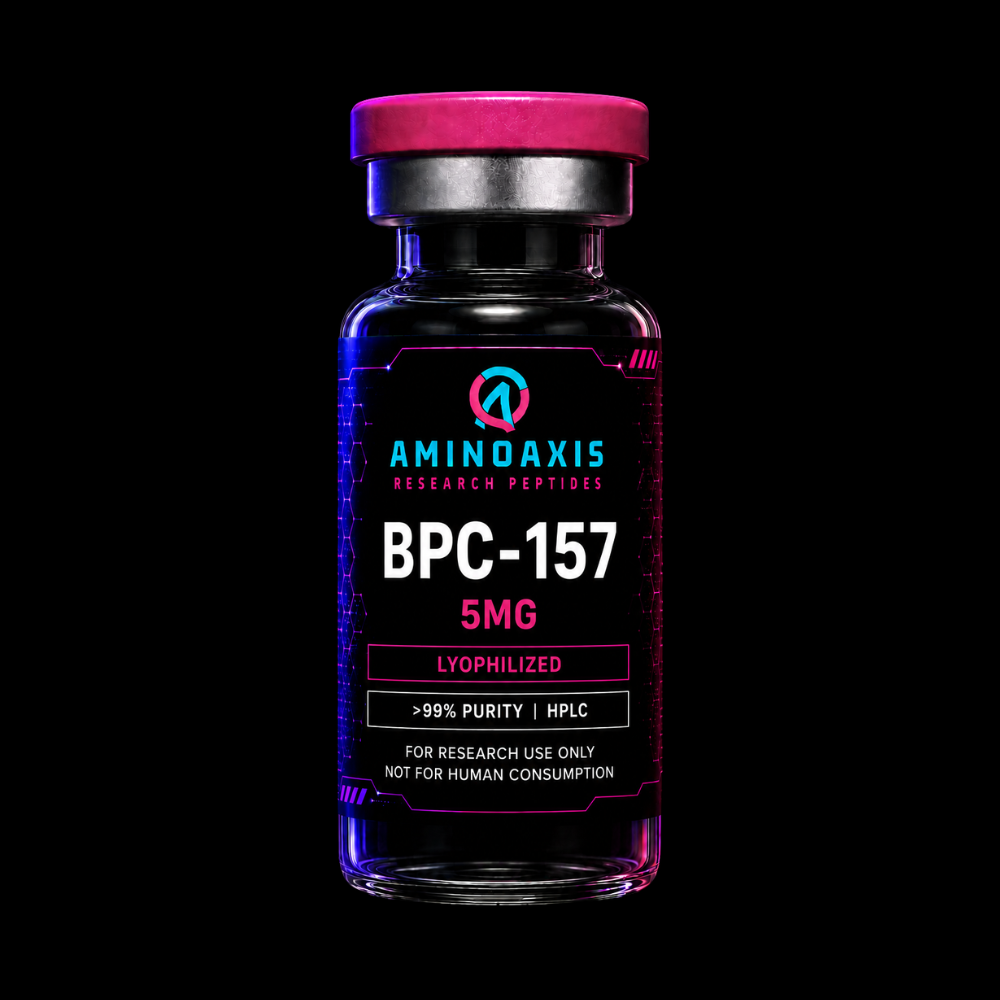
BPC-157 (Body Protection Compound-157) derives its name from its origin: it is a partial sequence of a protein found naturally in human gastric juice. This origin is significant because it suggests the peptide evolved in the context of gastrointestinal protection — the stomach lining is constantly exposed to acid, enzymes, and mechanical stress, yet maintains its integrity through protective mechanisms that BPC-157 research seeks to understand.
Gastric Ulcer Models
The earliest published BPC-157 research focused on gastric ulcer models in rats. Multiple studies demonstrated that BPC-157 administration reduced ulcer size and accelerated healing in models of chemically-induced gastric ulceration (using ethanol, aspirin, and other ulcerogenic agents). These effects were dose-dependent and reproducible across different research groups.
Cytoprotection
Cytoprotection refers to the protection of cells from injury without directly neutralizing the injurious agent. Published research suggests BPC-157 exerts cytoprotective effects in the GI tract through multiple mechanisms: maintaining mucosal blood flow, stimulating mucus production, accelerating epithelial cell migration to wound sites, and modulating inflammatory cytokine expression at the mucosal level.
Acid Stability
Unlike most peptides that are rapidly degraded in acidic conditions, BPC-157 shows unusual stability in gastric acid environments. This property — consistent with its gastric juice origin — has been documented in stability studies comparing BPC-157 degradation rates at various pH levels. This acid resistance may contribute to its effectiveness in GI research models.
Intestinal Anastomosis Studies
Published research has also examined BPC-157 in models of intestinal surgical healing (anastomosis). These studies reported improved healing of surgically reconnected intestinal segments, with increased collagen deposition, angiogenesis, and tensile strength at the surgical site compared to controls.
Mechanisms Under Investigation
The precise molecular mechanisms of BPC-157's gastrointestinal effects remain an active area of research. Published data implicates the nitric oxide system, growth factor pathways (particularly VEGF and EGF receptor expression), and the FAK-paxillin signaling axis. The interaction between BPC-157 and the NO system appears particularly important, as NOS inhibitors can block some of its protective effects in experimental models.